

- | 10:50 am
Pig kidney keeps US woman off dialysis for record nine months as human trials near
Five US patients have received genetically engineered pig kidneys, with three remaining free of dialysis for more than eight months and two later moving to human organs
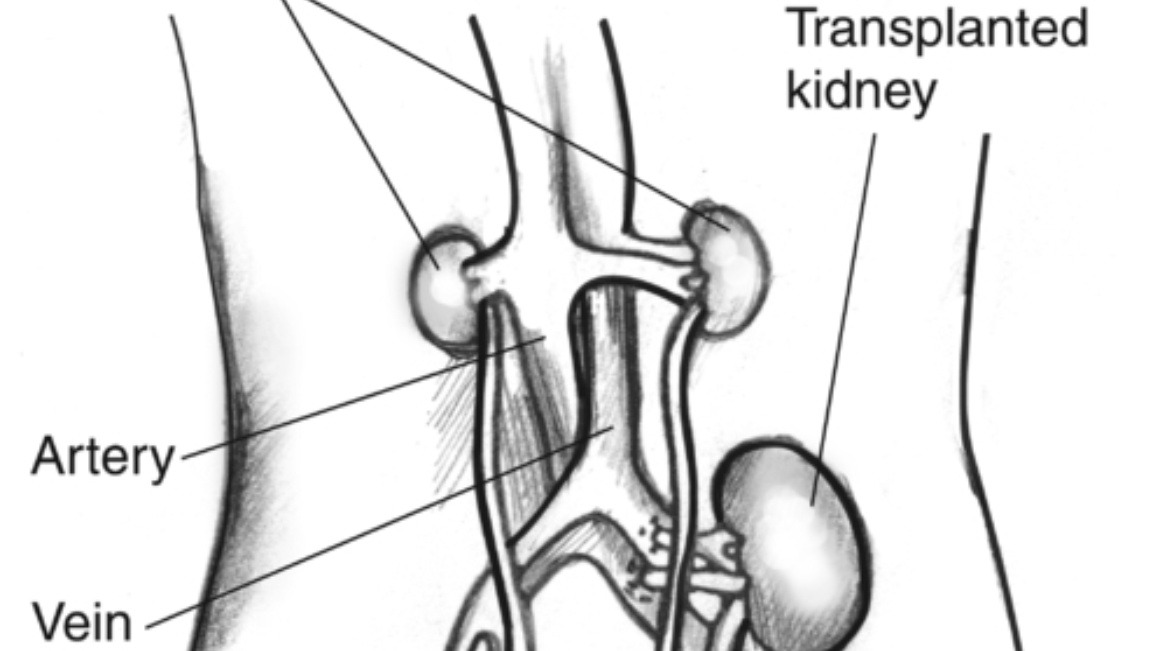


A genetically engineered pig kidney has kept a US woman off dialysis for more than nine months, setting a global record and giving researchers their clearest indication yet that animal organs could help patients survive the long wait for a human donor.
The woman underwent surgery at Massachusetts General Hospital on 22 November 2025. Her kidney had functioned for 285 days as of Thursday, 3 September, and she remained in the study, according to WIRED.
She is one of five patients with kidney failure who have received experimental organs from eGenesis since March 2024. Three went more than eight months without dialysis, while two subsequently received kidneys from human donors, the company said on Thursday.
Those two operations were the first reported cases in which a patient moved from a pig kidney to a human one. They offer early evidence that the experimental organs could be used as a bridge, keeping patients healthy and off dialysis until a suitable donor becomes available.
“Our goal is to make transplantation available to patients when they need it, without being constrained by the limited supply of human donor organs,” eGenesis Chief Executive Mike Curtis said.
There are limits to what can be concluded from five procedures. The patients received their organs through the US Food and Drug Administration’s Expanded Access program, which permits investigational treatments outside clinical trials when patients have serious conditions and lack satisfactory alternatives.
The FDA has not approved the pig kidneys for general use. Nor has eGenesis published detailed patient-level findings for the full group. The unnamed woman’s record is based on the company’s clinical update, rather than a peer-reviewed case report.
Nine months before a human kidney
The most complete account concerns Tim Andrews, who received an eGenesis kidney on 25 January 2025. Andrews was 66 and had end-stage kidney disease caused by type 2 diabetes. He had been told that he could face a wait of as long as seven years for a human kidney.
The pig kidney began working immediately. Fourteen days later, doctors detected T-cell-mediated rejection, in which immune cells attack the transplanted organ. They adjusted Andrews’ treatment, brought the rejection under control and preserved the kidney’s function.
For Andrews, the operation meant freedom from the dialysis machine that had shaped his weekly routine.
“Hope is the biggest thing, the chance to be free from the machine and live your life,” he told the BBC.
The kidney functioned for 271 days. Trouble developed after about six months, when Andrews contracted a bacterial infection and doctors reduced the drugs suppressing his immune system.
The kidney became inflamed and suffered damage to its smallest blood vessels. The injury progressed to thrombotic microangiopathy, a condition in which tiny blood clots impede circulation through the organ.
Doctors removed the kidney in October 2025 after its function declined. Andrews returned to dialysis, but only for 82 days. In January 2026, he received a kidney from a deceased human donor.
The human kidney worked immediately and continued to function well during follow-up, according to a case report published in The Lancet.
Just as important, researchers found no evidence that the pig transplant had sensitized Andrews’ immune system against the later human organ. That had been a serious concern. Exposure to animal tissue could, in theory, cause a patient to develop antibodies that make a subsequent transplant more difficult or even impossible.
No pig-derived infection was detected in Andrews.
His experience shows that one can replace dialysis for months without necessarily closing the door to a human transplant later.
“The successful transplantation of human donor kidneys following xenotransplantation demonstrates that this approach can preserve future treatment options,” said Leonardo Riella, medical director for kidney transplantation at Massachusetts General Hospital and principal investigator for the study.
A pig kidney with 69 genetic changes
A pig organ cannot be transplanted into a person without extensive modification. The human immune system recognizes ordinary pig tissue as foreign and can destroy it within minutes.
EGEN-2784, the kidney used in the five procedures, comes from Yucatan miniature pigs carrying 69 genomic changes.
Scientists removed three pig genes that produce sugar molecules known to provoke immediate immune rejection. They added seven human genes intended to control immune responses, inflammation, blood clotting and the complement system, part of the body’s defense against foreign tissue.
They also disabled copies of porcine endogenous retroviruses. These are remnants of ancient viral infections embedded in the pig genome that could pose a risk when an organ is transplanted into a patient taking powerful immune-suppressing drugs.
Recipients must still take medication to prevent rejection, leaving them more vulnerable to infection. Andrews’ case also suggests that reducing those drugs to treat an infection may place the transplanted kidney at risk.
Xenotransplantation carries a wider public-health concern. The FDA warns that animal cells and organs could transmit recognized or previously unidentified infections to recipients, their close contacts and potentially the wider population.
The donor pigs are therefore bred in tightly controlled facilities, while recipients undergo extensive screening and long-term monitoring. EGenesis and Massachusetts General Hospital have reported no pig-derived infections among the five recipients so far.
Larger study to begin in 2027
The five transplants were approved individually under Expanded Access. A formal clinical trial will provide the first broader test of whether the kidneys are safe, effective and durable.
The FDA has cleared eGenesis to run RESTORE, a combined Phase 1, 2 and 3 study involving 33 patients between the ages of 50 and 70. Participants will have kidney failure, be receiving dialysis and remain on the waiting list for a human organ.
EGenesis expects to begin the trial in the first quarter of 2027. The study is expected to operate at as many as 10 US transplant centers, with safety and kidney function after 24 weeks among its main measures.
Curtis told the Financial Times that eGenesis hopes to obtain US marketing approval by the end of 2029. Approval will depend on the results of the clinical trial and the regulator’s assessment of the risks.
EGenesis also faces competition. United Therapeutics carried out the first transplant in its FDA-cleared EXPAND trial at NYU Langone Health in November 2025. Its kidney comes from pigs with 10 genetic modifications, compared with 69 for the eGenesis organ, and the trial could eventually include as many as 50 patients.
The two companies are taking different genetic approaches to the same problem. Neither has yet shown across a large group of patients that pig kidneys can function safely for years.
The shortage behind the research
More than 109,000 people are on the US transplant waiting list, according to federal figures reviewed in August. Kidneys account for most of the demand, and 12 people die each day while waiting for an organ of some kind.
About 28,000 kidney transplants were performed in the US in 2024, according to eGenesis. Hundreds of thousands of Americans have end-stage kidney disease, but the supply of donor organs is nowhere near sufficient to offer each of them a transplant.
Many patients spend years on dialysis, commonly attending hospital or a specialist center three times a week for sessions lasting about four hours. Dialysis can keep a person alive, but it places strain on the body and imposes severe limits on work, travel and everyday life.
Kidneys have become the leading test for animal-to-human transplantation partly because doctors have a fallback. If the organ fails or has to be removed, the patient can return to dialysis. A patient whose transplanted heart fails has far fewer options.
For now, pig kidneys remain experimental and human donation remains the preferred treatment.
More Top Stories: