- | 3:00 pm
Apple Pay begins India rollout with Axis Bank
Apple's payment service makes its India debut with select Axis Bank credit cards, but the lack of UPI integration and wider banking support restricts its initial reach.
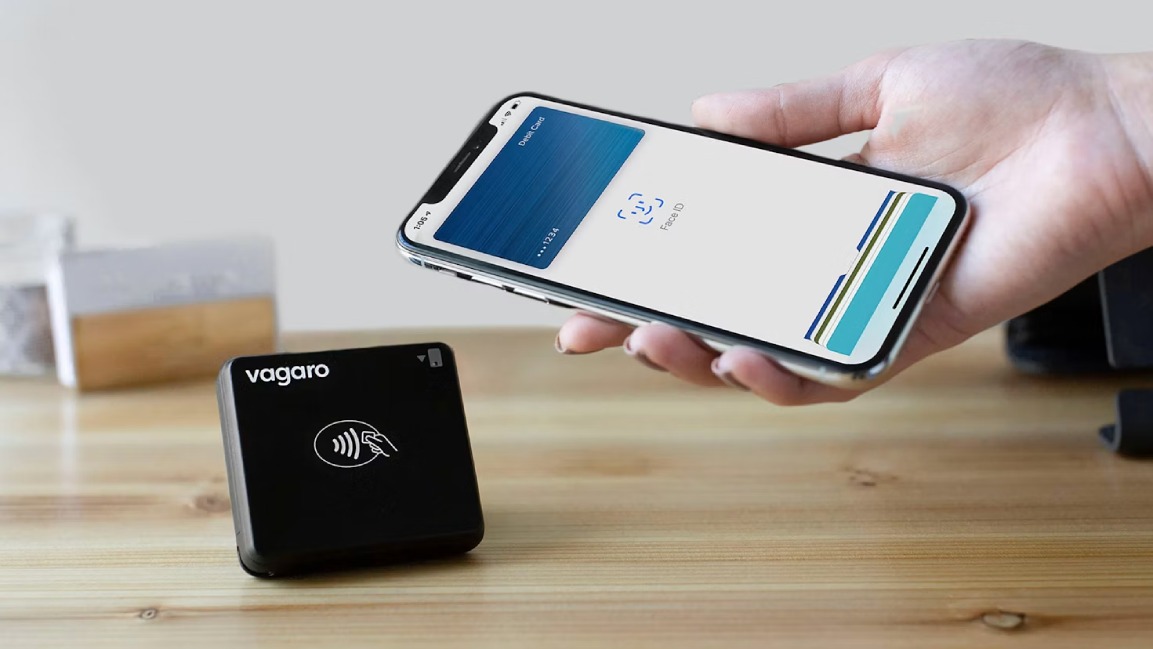


Apple has launched its Apple Pay service in India, initially allowing customers with eligible Axis Bank credit cards to make contactless payments using their iPhones and Apple Watches.
The rollout, which began on Wednesday, 30 September, supports Axis Bank credit cards issued on the Visa and Mastercard networks. Customers can add eligible cards to Apple Wallet and use compatible devices to make payments at participating retail terminals, within applications and on websites that accept Apple Pay.
The introduction marks Apple’s entry into India’s digital payments market more than a decade after it launched the service in the US. However, the initial rollout is considerably narrower than the services offered by established payment providers such as Google Pay, PhonePe and Paytm.
Apple Pay does not support India’s Unified Payments Interface, or UPI, at launch. Its initial offering is limited to eligible cards issued by its participating banking partner.
How Apple Pay works in India
Apple Pay enables customers to store eligible payment cards in Apple Wallet and use their devices to complete transactions. For in-store purchases, customers hold a compatible iPhone or Apple Watch near a supported contactless payment terminal.
Payments are authenticated using the device’s security features, such as Face ID, Touch ID or a passcode, where applicable. The service uses tokenization to protect card information during transactions.
Instead of transmitting the customer’s actual card number to the merchant, the payment system uses a device-specific payment credential. Apple says this approach reduces the exposure of sensitive card information during transactions.
Customers can also use Apple Pay for purchases within supported applications and websites, where merchants have enabled the payment option. The service’s availability will depend on compatibility among the customer’s bank, card network, device and the merchant’s payment infrastructure.
Apple’s India Wallet website now includes instructions for setting up Apple Pay across supported devices.
Axis Bank as banking partner
Axis Bank is the initial participating issuer, with support limited to eligible Visa and Mastercard credit cards. The launch does not extend to every card issued by the bank. RuPay cards are not supported, while customers holding credit cards issued by other major Indian banks, including HDFC Bank, ICICI Bank and SBI Card, are not included in the initial rollout.
Apple has previously held discussions with other Indian financial institutions about expanding its payments service. The company has not established a publicly confirmed timetable for adding those institutions.
Apple Pay enters a financial system where UPI has become the principal method for everyday digital payments. Developed and operated by the National Payments Corporation of India (NPCI), UPI allows customers to transfer money directly between bank accounts using participating applications.
The system supports transactions ranging from small retail purchases to larger commercial payments. In August 2026, UPI processed about 2,451 crore transactions worth ₹29.82 trillion, according to NPCI figures reported earlier this month.
The scale of those transactions illustrates the difference between India’s established account-to-account payments system and Apple’s initial card-based offering. Apple Pay’s initial reliance on eligible credit cards and participating merchants limits its reach within that broader payments market.
The absence of UPI support also means that Apple Pay cannot currently replace the services that many Indian consumers use for routine bank-account transfers.
Apple’s entry comes as contactless payment technology becomes more widely available in India. Earlier in September, NPCI introduced additional tap-and-pay functionality for UPI, allowing users to initiate payments through near-field communication technology.
That development expands the range of contactless options available to consumers. The distinction is that UPI transactions are generally funded through linked bank accounts, whereas Apple’s initial Indian service uses supported credit cards.
Google Pay has also expanded beyond conventional UPI transactions to support tokenized card payments on eligible devices. Apple will therefore compete in a market where established providers already offer several ways to make digital payments. Its potential advantage lies in integrating payments directly into the iPhone and Apple Watch ecosystem.
More Top Stories: