- | 5:00 pm
KFC ditches Pepsi after 40 years for Coca-Cola in US
The fried-chicken chain will end a beverage relationship dating to PepsiCo’s 1986 acquisition of KFC as it expands drinks and tries to revive its US business
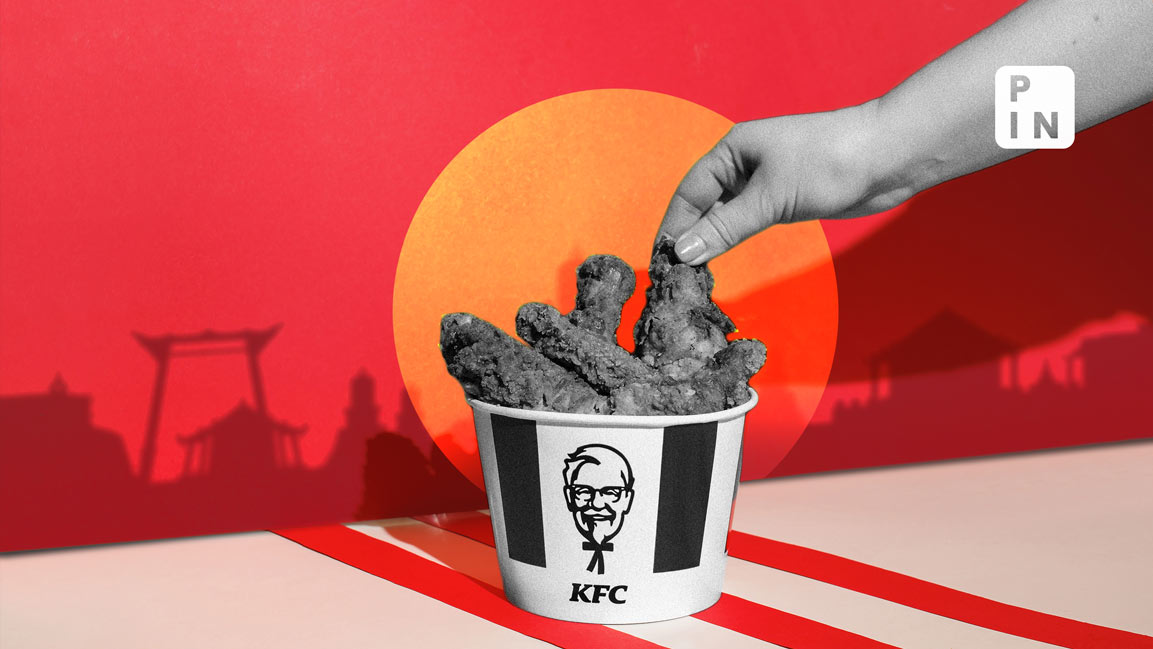


KFC is switching from Pepsi to Coca-Cola across its US restaurants, ending a beverage relationship stretching back about four decades and handing Coke one of the most recognizable accounts in American fast food.
The Yum Brands-owned chicken chain said on Thursday, 15 October, that it will begin moving its US restaurants to Coca-Cola products in January 2027. The transition is expected to be completed by spring, covering KFC’s entire domestic system of 3,718 restaurants. Financial terms were not disclosed.
The agreement brings together KFC and Coca-Cola across the US as KFC overhauls its domestic business, where it has been trying to reverse years of market-share losses and make the brand more relevant to younger consumers.
“I’m incredibly excited to bring KFC and Coca-Cola together. These are two originals, with deep consumer love,” KFC US President Catherine Tan-Gillespie said.
The change has unusual history behind it.
PepsiCo bought Kentucky Fried Chicken from RJR Nabisco in October 1986 for about $840 million, bringing the restaurant chain into a portfolio that already included Pizza Hut and Taco Bell. PepsiCo spun the three restaurant businesses off in October 1997 as Tricon Global Restaurants, which later changed its name to Yum Brands.
The ownership link disappeared, but the drinks relationship endured.
That will now end at KFC’s US restaurants, although PepsiCo is not losing the broader Yum system. PepsiCo told Reuters it recently renewed agreements covering Taco Bell and KFC’s international restaurants, including a 10-year deal with Taco Bell. PepsiCo also continues to supply other major restaurant customers, including Subway and Jersey Mike’s.
Beverages move up KFC’s agenda
For KFC, the decision comes as beverages assume a larger role in what the company calls its “Kentucky Fried Comeback,” an attempt to rebuild a US business that has struggled to keep pace with faster-growing chicken chains.
KFC has spent much of the past year reworking its menu, marketing and restaurant experience after years of domestic unit declines and uneven same-store sales. Yum has acknowledged that the brand lost ground in the US chicken market over a long period even as the category expanded around competitors specializing in chicken fingers, wings and sandwiches.
That has made drinks more than an accompaniment to a bucket of chicken.
At an experimental KFC Open House restaurant in McKinney, Texas, the chain is testing a broader beverage menu that includes iced coffees, boba drinks, shakes and other options. KFC says the Coca-Cola partnership will allow it to develop more food-and-drink combinations and target occasions outside traditional lunch and dinner visits.
The strategy follows a wider shift in fast food toward beverages that can draw customers between meals and carry attractive margins. Restaurant chains have increasingly used flavored drinks, refreshers, coffees and limited-edition beverages to generate traffic, particularly among younger customers.
Coca-Cola also brings a large US foodservice distribution and equipment network. KFC said those capabilities will support its franchisees as the chain changes beverage systems across thousands of restaurants.
The scale of the conversion is significant even though KFC is overwhelmingly an international business. Yum reported 34,747 KFC restaurants worldwide at the end of the second quarter, up 7% from a year earlier, while KFC’s US locator currently lists 3,718 restaurants.
KFC’s global operation has continued to expand even as the US brand has required repair. KFC system sales rose 6% excluding currency movements in the first half of 2026, while same-store sales increased 2%. Yum has described the recent improvement in its US business as encouraging but still early in a turnaround that management says cannot reverse two decades of share losses in a few quarters.
Another setback for PepsiCo in North America
For PepsiCo, losing KFC is unlikely by itself to have a major financial effect on a company that generated nearly $94 billion in revenue last year. Its importance is more strategic and symbolic.
KFC has been associated with Pepsi for most of the modern history of the chain, and the account is disappearing at a difficult time for PepsiCo’s North American beverage operation.
PepsiCo Beverages North America reported a 2% decline in beverage volume in the fiscal third quarter ended 5 September. The division’s reported revenue rose 5%, but PepsiCo said that growth largely reflected acquisitions made in 2025 rather than stronger underlying demand.
The group is also confronting weaker demand in parts of its North American snack business, higher costs and pressure to improve margins. PepsiCo this month lowered its full-year profit outlook as the recovery in North America took longer than management had expected.
Its core operating margin slipped 35 basis points in the third quarter from a year ago. Chief Executive Ramon Laguarta has been trying to revive volumes with changes in pricing, product sizes and new offerings aimed at consumers looking for more protein, fiber and lower sugar. One basis point is one-hundredth of a percentage point.
The company is also under pressure from activist investor Elliott Investment Management, which built a multibillion-dollar stake and has pushed PepsiCo to improve its North American operations and sharpen its portfolio.
Coca-Cola, meanwhile, has long held some of the most valuable fountain-drink relationships in US fast food, including McDonald’s and Wendy’s. Adding KFC increases its exposure to another national restaurant chain and gives the company a new platform for beverage innovation alongside foodservice sales.
More Top Stories: