- | 6:00 pm
ONGC names Sunil Kumar chairman for three-year term
The state-run energy company has chosen an executive director to succeed Arun Kumar Singh, as it faces pressure to increase domestic oil and gas production
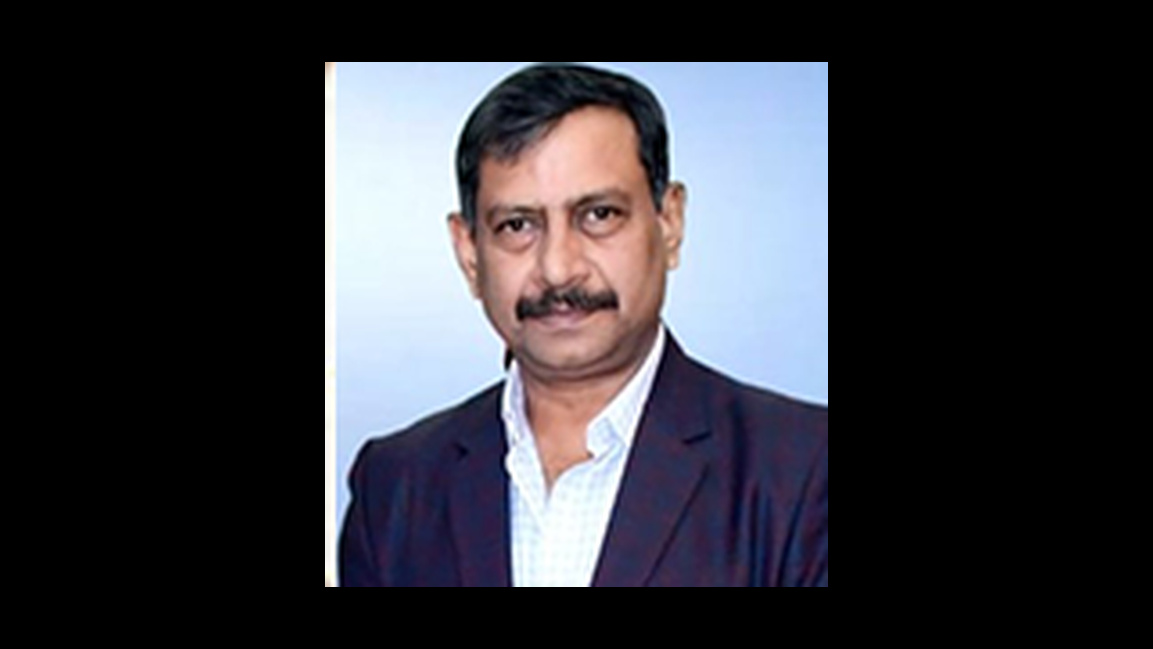


The Indian government has approved the appointment of Sunil Kumar as chairman of Oil and Natural Gas Corp. Ltd (ONGC), placing a career executive at the helm of the country’s largest oil and gas producer.
The Appointments Committee of the Cabinet approved Kumar’s appointment for a combined three-year tenure beginning on or after 7 December 2026.
Kumar, 58, currently serves as executive director and asset manager of ONGC’s Mehsana Asset in Gujarat. He will succeed Arun Kumar Singh, who has led the state-owned company since December 2022.
Under the appointment terms, Kumar will serve until his superannuation in December 2028 and subsequently continue on a contractual basis to complete the combined three-year tenure.
His selection is unusual because he will become the first ONGC chairman promoted directly from the executive director rank to the company’s top position.
From field operations to the top job
Kumar assumed responsibility for ONGC’s Mehsana Asset in January 2025, bringing operational experience from the company’s upstream oil and gas business.
He graduated in petroleum engineering from the Indian School of Mines, Dhanbad, and holds a postgraduate qualification in business management specializing in marketing and finance.
His background gives him direct exposure to the technical and commercial challenges of hydrocarbon production, particularly managing mature assets where maintaining output requires continued investment and operational improvements.
The appointment followed a selection process conducted by a search-cum-selection committee under the petroleum ministry.
The committee considered candidates through two rounds of interviews before recommending Kumar for the position.
The government’s decision also follows changes to eligibility requirements for the ONGC chairmanship.
Earlier this year, the selection criteria were revised to allow candidates up to 59 years of age to compete for the position, widening the potential pool of applicants.
Production remains the biggest challenge
Kumar takes charge at a difficult time for India’s upstream petroleum industry. ONGC accounts for roughly three-quarters of India’s domestic crude oil and natural gas production, making its performance central to the country’s efforts to limit dependence on imported energy.
India relies heavily on overseas supplies to meet its crude oil requirements. Increasing domestic production remains a government priority because imports expose the economy to fluctuations in global oil prices, shipping costs and exchange rates.
Much of ONGC’s production comes from mature fields, where natural reservoir depletion makes it increasingly difficult to maintain output.
Improving recovery from existing assets requires new drilling, reservoir management, enhanced recovery techniques and investment in production infrastructure.
The company must also accelerate the development of discoveries and bring new projects into production without prolonged delays.
For Kumar, experience managing producing assets could prove useful, although the chairman’s responsibilities extend considerably beyond field operations.
Investment and diversification
ONGC faces competing demands on capital. The company must continue investing in exploration and production while developing new sources of revenue and responding to India’s longer-term energy transition.
Its traditional upstream business remains essential to domestic energy security, but the company is also under pressure to prepare for changes in energy demand and technology.
Exploration projects involve substantial upfront spending and uncertain returns. Production from discoveries can take years to reach commercial scale, making capital allocation and execution important measures of management performance.
ONGC must also coordinate investment decisions across its wider corporate group, balancing the requirements of exploration, production, refining and other energy businesses.
Kumar’s appointment gives the company a defined leadership tenure after a prolonged succession process.
More Top Stories: