- | 6:00 pm
Trump’s tariffs point to new trade order
Trump’s tariff salvo targets India not just for what it trades—but for who it trades with, signaling a shift from partnership to pressure


US President Donald Trump on Friday, 1 August, issued an executive order imposing reciprocal tariffs of up to 41 % on imports from dozens of countries, with India singled out at a 25% rate, a level higher than that applied to most peers.
Globally, nations from Canada (35%) and Brazil (50%) to Taiwan (20%) and Switzerland (39%) saw major tariff hikes, intensifying alarms in Tokyo, Brussels, and New Delhi over the new era of trade weaponization.
Trump defended the move during a White House press briefing: “We’re talking to India now – we’ll see what happens … You’ll know by the end of this week.”
He added that “they have one of the highest tariffs in the world now, they’re willing to cut it very substantially”
The tariffs specifically reference India’s deepening ties with Russia, its oil and military procurements, and its membership in BRICS, which Trump described as hostile to US interests.
The US framed the move as a geopolitical lever, targeting countries with close ties to Russia, particularly over energy and defense procurement, as part of its aggressive stance shaped by the Ukraine conflict.
A senior US official, speaking to Reuters on condition of anonymity, said talks with India are complicated by its role in BRICS and ongoing purchases of Russian oil and weapons, making a quick deal unlikely.
Economists and exporters warned the tariffs could hit India’s key US export sectors of garments, jewelry, auto components, and smartphone assembly.
Apparel and electronics are expected to see price spikes in US markets; businesses depend on India as a major supplier beyond the pharmaceutical sector, which, though worth $8.1 billion, has been temporarily exempt from duties.
State refiners in India have already paused new purchases of Russian crude, a response to Trump’s implied penalties announced alongside the tariff decision.
Private refiners remain cautious amid enforcement uncertainty ahead of the formal implementation, set by some people to begin on 7 or 8 August, despite initial talk of 1 August enactment.
Politically, India has declined to retaliate aggressively.
Instead of counter-tariffs, Delhi has reportedly shelved plans to acquire US-made F‑35 fighter jets and refocused on domestic procurement under Make in India policies, a sign of shifting alignment amid strategic friction with Washington.
Observers said the broader implications go beyond trade economics.
Trump’s move marks a shift toward transactional diplomacy, where tariffs serve as both fiscal tools and geopolitical leverage.
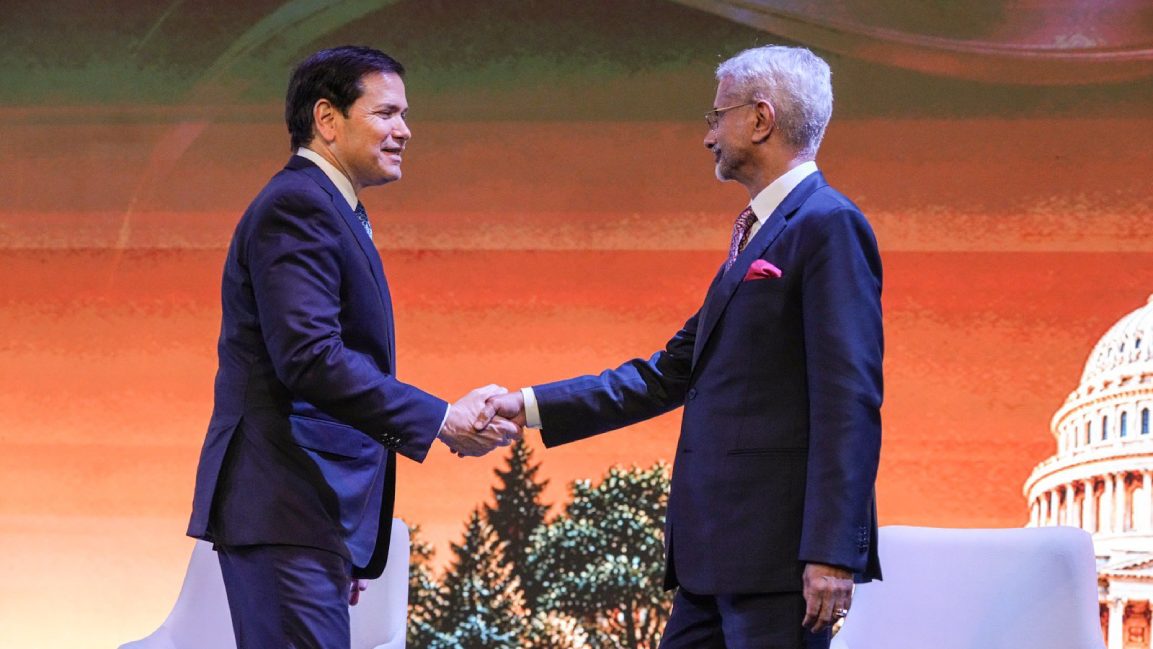
This signals increasing strain on US–India ties, once rooted in mutual strategic interests, now overshadowed by trade friction and divergence on global issues from energy to alliance groupings like BRICS.
Indian markets responded with risk-off sentiment: the rupee fell sharply, equity funds saw hefty withdrawals, and foreign investors retreated from local equities even as the economy’s fundamentals remained intact for now.
For businesses and policy makers in India, the immediate calculus may involve shifting export strategies, seeking new markets in ASEAN and Europe, and managing potential supply-chain disruption.
For the US, this new tariff regime signals a readiness to weaponize trade in pursuit of geopolitical aims, a world where economic access aligns with political alignment, and neither is guaranteed.
More Top Stories: