- | 12:00 pm
Retail inflation slumps to eight-year low but tariff risks cloud outlook
Food deflation drives July CPI down to 1.55% even as looming US duties threaten exports and growth
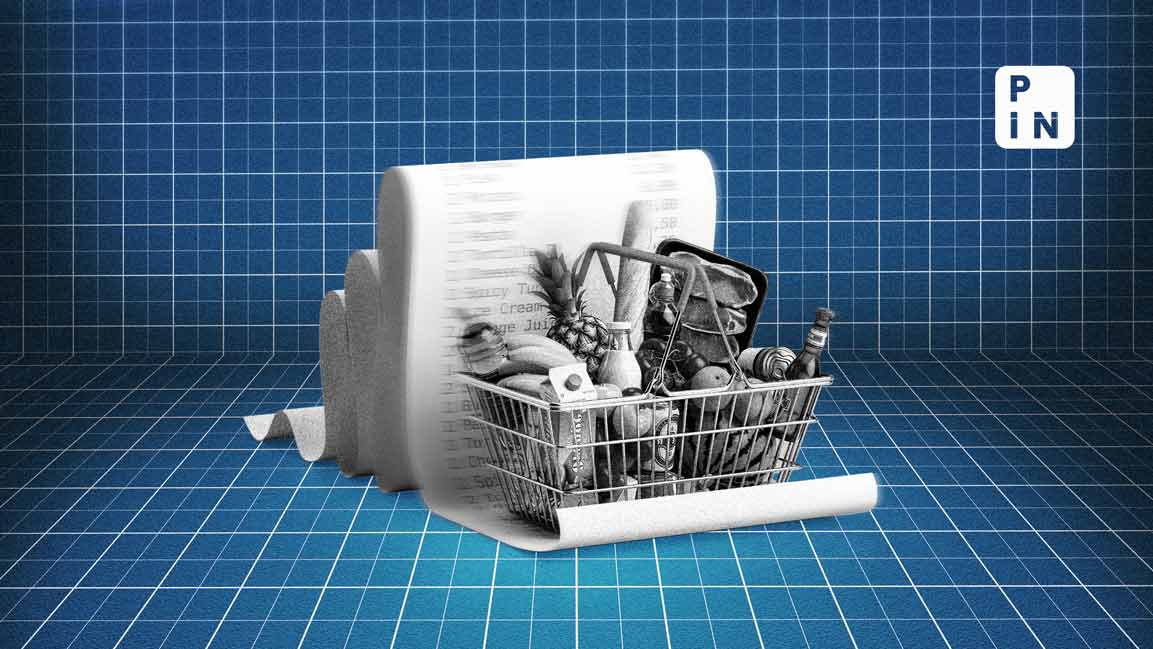


India’s retail inflation fell to 1.55% in July, its lowest since June 2017, sliding beneath the Reserve Bank of India’s (RBI’s) 2–6% target band for the first time in over six years.
The sharp slowdown was driven by deeper deflation in food prices, which offset still-elevated costs in other pockets of the economy.
Vegetable prices plunged 20.7% from a year ago, compared with a 19% drop in June, while pulses fell 13.8% after a 12% decline the previous month.
Overall food inflation fell to –1.76% year-on-year, with deflation spreading to vegetables, pulses, spices, and meat. Rural headline inflation eased to 1.18% and urban to 2.05%.
Core inflation, which strips out food and fuel, eased to 4.1% from 4.4% in June, according to CareEdge Ratings chief economist Rajani Sinha, led by a sharp moderation in transport, communication, and education.
Sinha, however, noted that precious metals continue to see double-digit inflation, and warned that while food prices are likely to stay contained in the near term, helped by good monsoon progress, strong kharif sowing, and healthy reservoir levels, the favorable base will fade, with quarterly inflation prints seen rising above 4% in late FY26 and averaging above 4.5% in FY27.
ICRA chief economist Aditi Nayar expects the food and beverages index to swing back to inflation in August, pushing headline Consumer Price Index (CPI)-based inflation towards 2% from July’s low.
Nayyar flagged that the spatial and temporal distribution of rainfall remains crucial to sustaining the benign food price trend.
Gaura Sen Gupta of IDFC FIRST Bank said core-core inflation excluding gold, silver, and fuel is subdued at 3.3%, pointing to a negative output gap.
She retains a full-year FY26 CPI estimate of 2.7%, lower than RBI’s projection, assuming monsoon rains remain well-distributed and reservoir levels continue to support crop output.
Bond yields have climbed in recent sessions, with the spread between the 10-year benchmark and the policy repo rate widening to about one percentage point, the highest this year, signaling limited expectations for near-term monetary easing.
The RBI had left rates unchanged earlier this month after a surprise cut in July, and several economists now see only a narrow window for further policy loosening.
A major external risk is the US decision to impose an additional 25% tariff on Indian goods, which will take total duties on some exports to as high as 50% from 28 August.
The move, aimed at penalizing India’s continued purchases of Russian crude, could shave 30–40 basis points off GDP growth, according to analysts, while weighing on private investment and export sentiment. One basis point is one-hundredth of a percentage point.
Sinha warned that potential US secondary sanctions on Russian crude could also disrupt supply chains for India and China, even if OPEC’s spare capacity cushions the blow.
For now, disinflation offers relief to consumers and scope for monetary stimulus, but policymakers face a delicate balance between supporting growth and guarding against tariff shocks, oil-market volatility, and a potential rebound in food prices.
“The outlook for headline CPI remains positive,” said Sen Gupta, “but less favourable base effects and external headwinds mean policy space is limited.”
More Top Stories: