- | 1:00 pm
Modi to virtually attend ASEAN summit in Malaysia
The Kuala Lumpur gathering includes the ASEAN-India Summit and the East Asia Summit, marquee fixtures that draw leaders from Southeast Asia and key partners


Prime Minister Narendra Modi will not travel to Kuala Lumpur for the ASEAN leaders’ meetings beginning 26 October and will, instead, join the summit virtually.
The Kuala Lumpur gathering includes the ASEAN-India Summit and the East Asia Summit, marquee fixtures that draw leaders from Southeast Asia and key partners such as India, the US, China and Japan.
The meetings run from 26 to 28 October. Malaysia has invited several dialogue partners. Trump has been reported as a possible attendee, though Washington has not issued a formal schedule.
Had a warm conversation with my dear friend, Prime Minister Anwar Ibrahim of Malaysia. Congratulated him on Malaysia’s ASEAN Chairmanship and conveyed best wishes for the success of upcoming Summits. Look forward to joining the ASEAN-India Summit virtually, and to further…
— Narendra Modi (@narendramodi) October 23, 2025
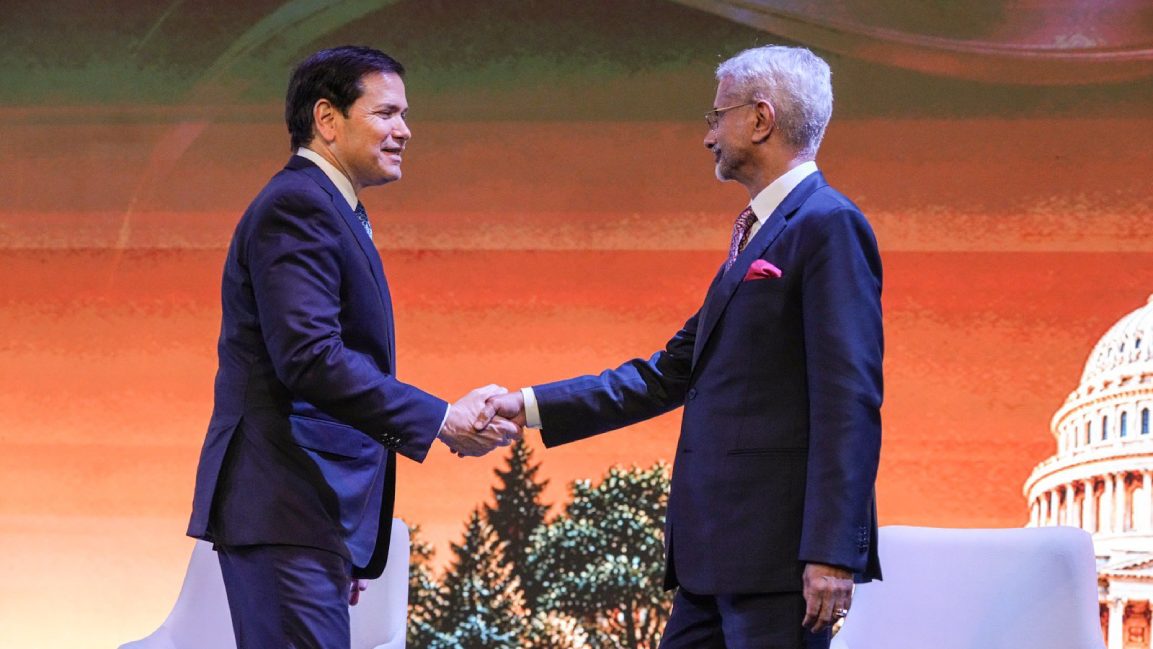
External affairs minister S. Jaishankar is expected to represent India in person.
Anwar said Modi phoned him on Wednesday and conveyed his decision to participate online due to the ongoing Deepavali celebrations in India at that time.
Malam tadi saya menerima panggilan telefon dari rakan sejawat Perdana Menteri Republik India Narendra Modi bagi membincangkan usaha memperkukuh hubungan dua hala Malaysia–India ke tahap yang lebih strategik dan menyeluruh.
India kekal sebagai rakan penting Malaysia di lapangan… pic.twitter.com/gVCfU8YJxD
— Anwar Ibrahim (@anwaribrahim) October 23, 2025
The format means there will be no in-person meeting between Modi and US President Donald Trump if the American leader travels to Malaysia during the summit window.
Modi’s decision shifts India’s participation to a hybrid format at a sensitive moment in regional and bilateral diplomacy.
New Delhi and Washington have been exploring a trade understanding after recent tensions over tariffs and energy purchases.
A face-to-face Modi–Trump engagement on the sidelines had been widely speculated.
In 2023, India had downgraded its in-person presence at ASEAN when domestic commitments crowded the agenda. This year’s arrangement echoes that precedent while preserving leader-level participation via video.
Regional partners will watch for signals on India’s priorities in Southeast Asia, including maritime security, supply-chain resilience, digital and AI cooperation, and connectivity, areas that have featured in recent ASEAN statements with India.
A virtual address still allows Modi to set out positions and endorse joint statements, but bilateral pull-asides, often where deals are unblocked, will fall to Jaishankar and senior officials.
Malaysia, as host, has pushed for tangible outcomes on trade and investment, along with steps to calm tensions in the South China Sea.
Delhi’s talking points typically highlight freedom of navigation, diversified supply chains and deepening economic ties with ASEAN, India’s fourth-largest trading partner bloc.
Any movement on India–US trade issues, or separate announcements with ASEAN economies, would likely be channelled through ministerial meetings unless schedules shift late.
More Top Stories: