- | 7:30 pm
India monitors risks to citizens, trade and shipping as Middle East war rages
Government says 700 cargo vessels operating near Gulf routes while contingency planning begins for potential trade disruption


India on Wednesday, 11 March, called for an early end to the escalating conflict in West Asia and said authorities are closely assessing its potential impact on Indian citizens, maritime trade and energy supply routes that pass through the region.
“We are clearly in favor of an early end to the conflict,” Ministry of External Affairs spokesperson Randhir Jaiswal said at a press briefing in New Delhi, warning that prolonged instability could affect Indian nationals as well as key economic supply chains.
Jaiswal said the government’s immediate priority is the safety of Indian citizens living across the Gulf and wider Middle East region.
“Nearly one crore Indians live and work in the region. Their safety and well-being is of utmost priority for us,” he said, adding that Indian embassies and missions are in constant touch with the community and issuing advisories where required.
“At the highest political level, we remain in touch with leaders in the region. Our embassies and missions are closely monitoring the situation and extending assistance wherever required,” Jaiswal said.
He said the conflict also carries wider economic implications because major shipping lanes and energy supply routes used by India run through the region.
“Our trade and energy supply chains traverse this geography. Any major disruption has consequences for the Indian economy,” he said.
‘Indian shipping routes normal’
An officials from the shipping ministry said maritime traffic linked to India continues to move normally despite heightened tensions in the Gulf.
Rajesh Kumar Sinha, joint secretary in the Ministry of Ports, Shipping and Waterways, said authorities are closely monitoring vessel movements in and around the Gulf region.
“There is no disruption to Indian shipping routes at present,” he said.
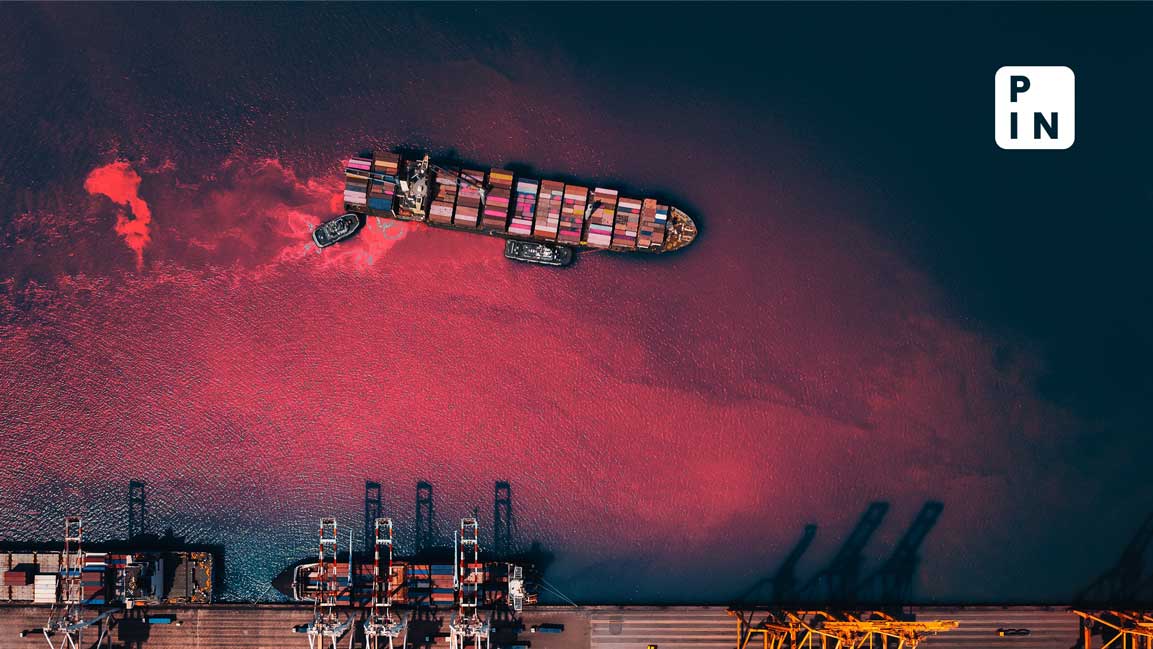
Around 700 vessels carrying Indian cargo are currently operating in or near the Gulf, while about 20 Indian-flagged ships are transiting the region at any given time, Sinha said, adding that authorities remain in constant communication with shipping companies and maritime agencies.
Indian shipping lines and vessels operating in the region have been advised to maintain heightened vigilance and remain in touch with maritime security authorities as tensions escalate.
The Strait of Hormuz remains critical for India’s trade and energy imports, with a large share of crude oil, liquefied natural gas and other cargo shipments destined for India passing through the narrow waterway between Iran and Oman.
‘Contingency planning underway’
Officials said maritime authorities are coordinating with port operators and global maritime safety agencies to track vessel traffic and respond quickly if the security situation deteriorates.
Indian ports are also prepared to handle adjustments in cargo flows if shipping routes need to be temporarily altered because of security concerns, the shipping ministry said.
At the same briefing, Aseem Mahajan, who oversees maritime trade and logistics coordination, said the government is reviewing the broader commercial implications of the conflict for Indian trade.
Mahajan said authorities are tracking developments in shipping markets, including potential changes in freight rates, insurance costs and voyage routes that could arise if tensions escalate in the Gulf.
He said the government is in touch with shipping companies, port operators and logistics providers to ensure that essential cargo flows linked to India’s imports and exports remain uninterrupted.
Mahajan added that contingency planning is underway to assess alternative logistics arrangements and supply routes should the security situation affect commercial shipping patterns in the region.
Officials said the government is coordinating across ministries to monitor developments affecting citizens, maritime traffic and trade as the geopolitical situation in the Middle East continues to evolve.
The conflict, which intensified after recent military exchanges involving Iran, the United States and Israel, has raised concerns globally about the safety of commercial shipping and energy shipments moving through the Gulf region, particularly through the Strait of Hormuz, one of the world’s most important maritime chokepoints.
More Top Stories: