
- | 12:30 pm
India’s gold appetite shrinks in Q2 but its bill hits record
Gold purchases fall 6% by weight, but spending rises 50% to a second-quarter record as higher prices and import tariffs reshape the market


Indians spent a second-quarter record ₹1.98 trillion ($20.9 billion) on gold in the three months through June even as the amount purchased fell 6% from a year ago, the World Gold Council said on Thursday, 30 July.
Demand declined to 130.9 metric tons from 139.1 metric tons a year earlier, according to the council’s India report. Domestic gold prices were 59% higher, supported by a weaker rupee and the government’s decision to raise import tariffs in May.
Demand was also 13% lower than in the first quarter. Spending measured in rupees fell by the same percentage sequentially but was 50% higher than a year earlier.
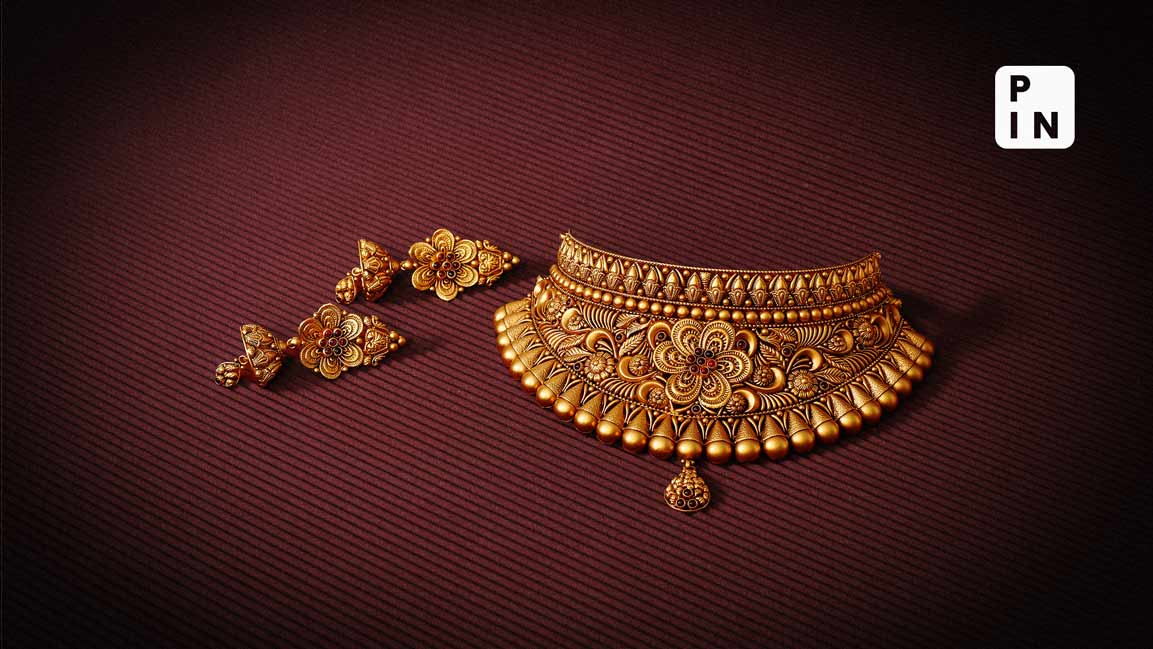
Jewelry remained the largest component of demand. Purchases recovered 14% from a weak first quarter to 75.1 metric tons but were 15% below the level recorded a year earlier. Their value nevertheless increased 34% to ₹1.13 trillion.
India was the world’s largest gold jewelry market during the quarter, accounting for 27% of global demand, the council said.
Buying began strongly as prices retreated from their first-quarter peaks, supporting demand during Akshaya Tritiya and the wedding season. It weakened from the middle of May during a traditionally inauspicious buying period and after the government raised the import tariff on gold from 6% to 15%.
Higher prices are changing what consumers buy. Shoppers are moving toward lighter pieces, lower-carat gold and studded jewelry. Old gold exchange programs have also become more important, with retailers reporting a 10% to 20% increase in exchange volumes. Such transactions accounted for as much as 70% of sales at some stores.
Investment demand, comprising bars, coins and exchange-traded funds, fell to 53.9 metric tons from an average of about 100 metric tons during the previous three quarters. It remained above the long-term quarterly average of 49 metric tons.
Bar and coin purchases declined 19% from the first quarter to 50.3 metric tons but were 9% higher than a year earlier. First-half demand reached 112.5 metric tons, its highest level in 13 years.
Gold ETF demand fell from a record 19.9 metric tons in the first quarter to 3.6 metric tons. Even after that decline, first-half demand reached a record 23.5 metric tons, up 163% from a year earlier. Total holdings increased to 119 metric tons, while assets under management reached ₹1.7 trillion.
India’s gold supply fell to 120 metric tons, its lowest level in six years. Net bullion imports declined to about 98 metric tons, down 22% from a year earlier and 53% from the first quarter.
The tariff increase has also widened the incentive for smuggling. “The arbitrage is so huge. I mean, with the 15% duty and 3% GST, there’s an 18% difference,” World Gold Council India Chief Executive Sachin Jain told Reuters.
Enforcement agencies seized 160.91 kilograms of gold between 13 May and 30 June, nearly twice the 86.16 kilograms seized between 1 April and 12 May. Industry officials have estimated that illegal imports could exceed 100 metric tons in 2026.
Households have shown little willingness to sell despite the increase in prices. Recycling fell 17% from a year earlier to 19 metric tons, its lowest level in 11 quarters. Many owners are instead borrowing against their jewelry.
Outstanding bank loans secured by gold jewelry reached ₹5.1 trillion at the end of May, up 105% from a year earlier. Gold loans held by nonbank financial companies rose 70% to ₹3.3 trillion, according to figures cited by the council.
The council expects wedding and festival purchases to support demand during the remainder of the year, particularly if prices stabilize. Investment buying is also expected to remain positive.
The monsoon remains a risk to rural demand. India’s cumulative rainfall was 15% below normal between 1 June and 29 July, according to the India Meteorological Department. The deficit reached 30% in eastern and northeastern India and 26% across the southern peninsula.
With prices still near historical highs, a recovery will depend less on whether Indians want gold than on how much they can afford.
More Top Stories: