
- | 3:00 pm
Saudi Arabia, UAE signal unity after months of strain
Coordinated statements by senior media officials seek to contain speculation over divisions on Yemen, oil policy and regional security
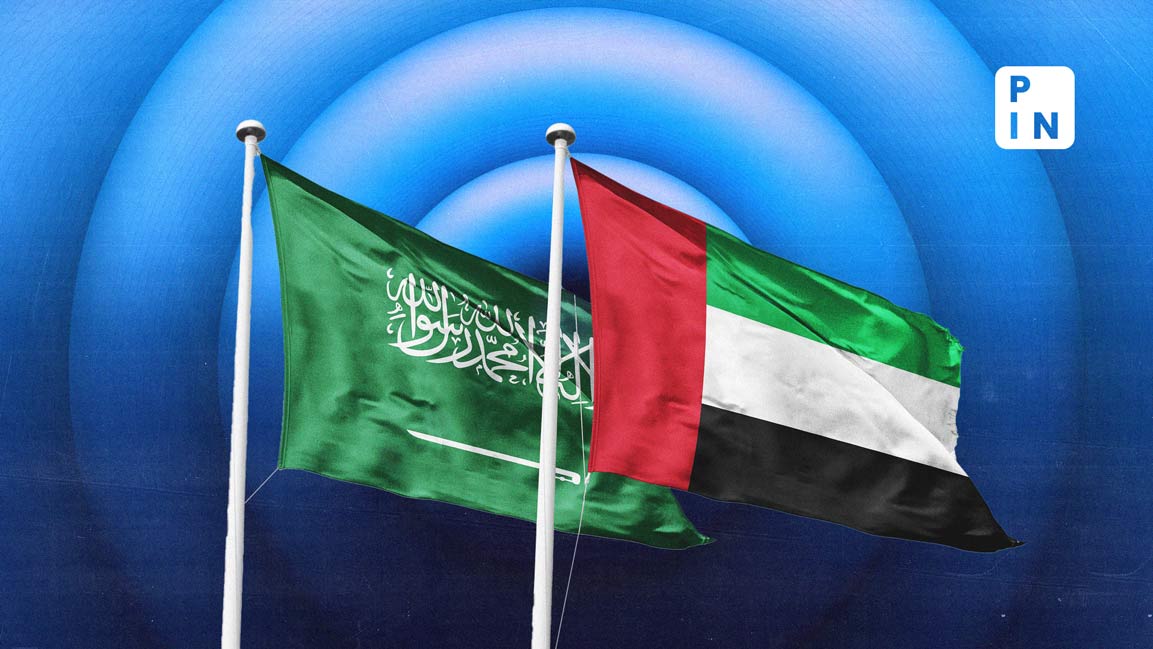


Senior officials from Saudi Arabia and the United Arab Emirates (UAE) have launched a coordinated public effort to reaffirm their alliance after months of unusually visible disputes, although neither government offered evidence that its differences over Yemen, oil policy and regional influence had been resolved.
Saudi media minister Salman Al-Dosary and Abdulla bin Mohammed Alhamed, chairman of the UAE National Media Authority, published closely aligned messages on social media platform X at 7 pm Riyadh time on Tuesday, 21 July.
The timing, language and accompanying photographs pointed to an organized effort to restrain speculation about a deeper rupture between the Gulf powers.
The intervention was nevertheless led by media officials rather than the countries’ rulers, foreign ministers or the Saudi-Emirati Coordination Council. Neither side announced a leadership meeting, negotiations or a new agreement covering the issues that have strained relations.
Alhamed said relations between the two countries were founded on a “shared history and deep-rooted fraternal ties” and that their people were “united by a single destiny”.
العلاقات الاماراتية السعودية امتداد لتاريخ مشترك وروابط أخوية راسخة بين شعبين شقيقين يجمعهما مصير واحد. وتعززها قيادة حكيمة في البلدين تمضي بتنسيق وثيق ورؤية واضحة نحو مستقبل يحمل الخير لشعوبنا ومنطقتنا.
ودور الاعلام المسؤول ان يعكس هذا الواقع بموضوعية ويتصدى لأي محاولات للإساءة…— Abdulla M Alhamed (@AMB_Alhamed) July 21, 2026
“They are further strengthened by wise leadership in both countries, which proceeds with close co-ordination and a clear vision towards a future that brings prosperity to our peoples and our region,” he said.
Alhamed added that responsible media should reflect the relationship objectively and confront attempts to undermine it.
Al-Dosary similarly described the relationship as one between two peoples connected by shared history and heritage. He urged media organizations to challenge misleading accounts and ensure accuracy when reporting on bilateral ties.
العلاقة بين المملكة والإمارات هي علاقة شعبين يجمعهما تاريخ وإرث مشترك وقيادة رشيدة في كل من البلدين تسير بشعبي البلدين وفق رؤى تنموية واعدة، ودور الإعلام الرصين التصدي لكل من يحاول نقل صورة مضللة حول العلاقات بين البلدين وتحري الدقة فيما يُنشر عنها.
— سلمان الدوسري (@SalmanAldosary) July 21, 2026
The focus on media conduct was significant. The officials did not directly rebut any particular account of the dispute or identify which reports they considered misleading.
About an hour before the statements, Turki Alalshikh, an adviser to the Saudi royal court and a close associate of Crown Prince Mohammed bin Salman, shared a photograph of Saudi Defense Minister Prince Khalid bin Salman and UAE Vice President Sheikh Mansour bin Zayed Al Nahyan smiling with their arms around each other.
Alalshikh described Saudi Arabia and the UAE as a story of “brotherly relations and a deeply rooted partnership”.
صورة تجمع سمو الأمير خالد بن سلمان مع أخيه سمو الشيخ منصور بن زايد قبل عدة أيام .
السعودية و الإمارات قصة علاقات أخوية وشراكة راسخة 🇸🇦🇦🇪 pic.twitter.com/l9WrNI720W— TURKI ALALSHIKH (@Turki_alalshikh) July 21, 2026
Anwar Gargash, diplomatic adviser to UAE President Sheikh Mohamed bin Zayed Al Nahyan, later shared the photograph and said the most important story in the Gulf could be captured in a single image.
The biggest story in the Gulf is captured in a single photograph.#UAE #Saudi_Arabia pic.twitter.com/zNLzPBvvaP
— د. أنور قرقاش (@AnwarGargash) July 21, 2026
The posts demonstrate that Riyadh and Abu Dhabi want to prevent their policy differences from being interpreted as a permanent break, analysts said, adding that they do not establish whether either side has changed its position on the disputes themselves.
The public display of unity follows a period in which differences between the two countries became unusually visible.
Economic ties limit scope for rupture
The two governments have strong commercial reasons to contain the disagreement.
Non-oil trade between Saudi Arabia and the UAE reached about $41.3 billion in 2024, according to official figures previously reported by Reuters. Trade spans consumer goods, machinery, precious metals, energy products and shipments routed through the UAE’s logistics network.
The UAE was also the second-largest source of foreign direct investment in Saudi Arabia, while Saudi investments in the UAE were valued at more than $4.3 billion.
Those links make a broad economic confrontation costly for both sides, even as they compete to attract corporate headquarters, financial institutions, tourists, logistics business and foreign capital.
Saudi Arabia has used regulatory changes, investment incentives and its larger domestic market to encourage international companies to shift regional operations to Riyadh. The UAE remains the Gulf’s established financial, aviation and logistics center, led by Dubai and Abu Dhabi.
The rivalry therefore combines economic interdependence with direct competition. Neither side needs to end that competition to prevent it from spilling into a wider diplomatic or commercial rupture.
Yemen remains the hardest test
The sharpest differences have emerged in Yemen, where Saudi Arabia and the UAE have supported rival political and military groups.
Tensions escalated late last year when Saudi Arabia carried out an airstrike on what it said was a shipment of UAE military equipment intended for southern separatist forces.
The UAE denied sending weapons to the separatists and said the equipment was intended for its own forces. It later announced the withdrawal of its remaining military personnel from Yemen.
The dispute reflected a deeper difference over Yemen’s political future. Saudi Arabia has formally backed the country’s internationally recognized institutions, while the UAE has supported southern groups seeking greater autonomy or independence.
Tuesday’s statements contained no indication that the two governments had narrowed those differences.
Relations were also tested by disagreements over oil policy. The UAE left the Organization of the Petroleum Exporting Countries (Opec) in May after years of tensions over production quotas and Saudi Arabia’s influence within the group.
The departure removed one arena in which the two states had repeatedly clashed, but it also made their disagreement harder to dismiss as routine bargaining within the producer alliance.
Their approaches to the Iran conflict have at times differed, even as threats to shipping and energy infrastructure have increased the strategic cost of division among Gulf states.
The latest public display came as Iran-backed Houthi forces threatened Saudi-linked shipping in the Red Sea and renewed hostilities disrupted energy flows through the Strait of Hormuz. That security environment gives both governments an immediate reason to emphasize Gulf coordination, regardless of whether their other disputes remain unresolved.
Signal rather than settlement
Saudi and Emirati officials have not said whether the messages followed direct talks between Crown Prince Mohammed and Sheikh Mohamed or whether the two leaders have agreed on a process for managing their differences.
There was also no announcement from the Saudi-Emirati Coordination Council, the institution established to deepen cooperation across economic, security and development policy.
The absence of such an announcement does not mean that private diplomacy has not taken place, analysts said, adding that it does mean the public evidence so far supports a more limited conclusion: both governments want to control the political and economic consequences of their disagreement.
Mohammed Baharoon, director-general of the Dubai Public Policy Research Center, told Reuters that descriptions of the dispute had been exaggerated.
“What we have in common far outweighs our divergences,” he said.
That assessment is supported by the scale of bilateral trade, investment and security interests. It does not eliminate the policy conflicts that produced the tensions.
The coordinated statements are therefore best understood as an attempt to set boundaries around the rivalry, analysts said, adding that Saudi Arabia and the UAE are signaling that competition and disagreement should not be mistaken for an abandonment of their partnership.
More Top Stories: