
- | 10:00 pm
Trump renames Lake Ontario for federal use as Canada rift deepens
Lake Ontario now appears under different names depending on where Google Maps users are located, reflecting the widening political divide between Washington and Canada
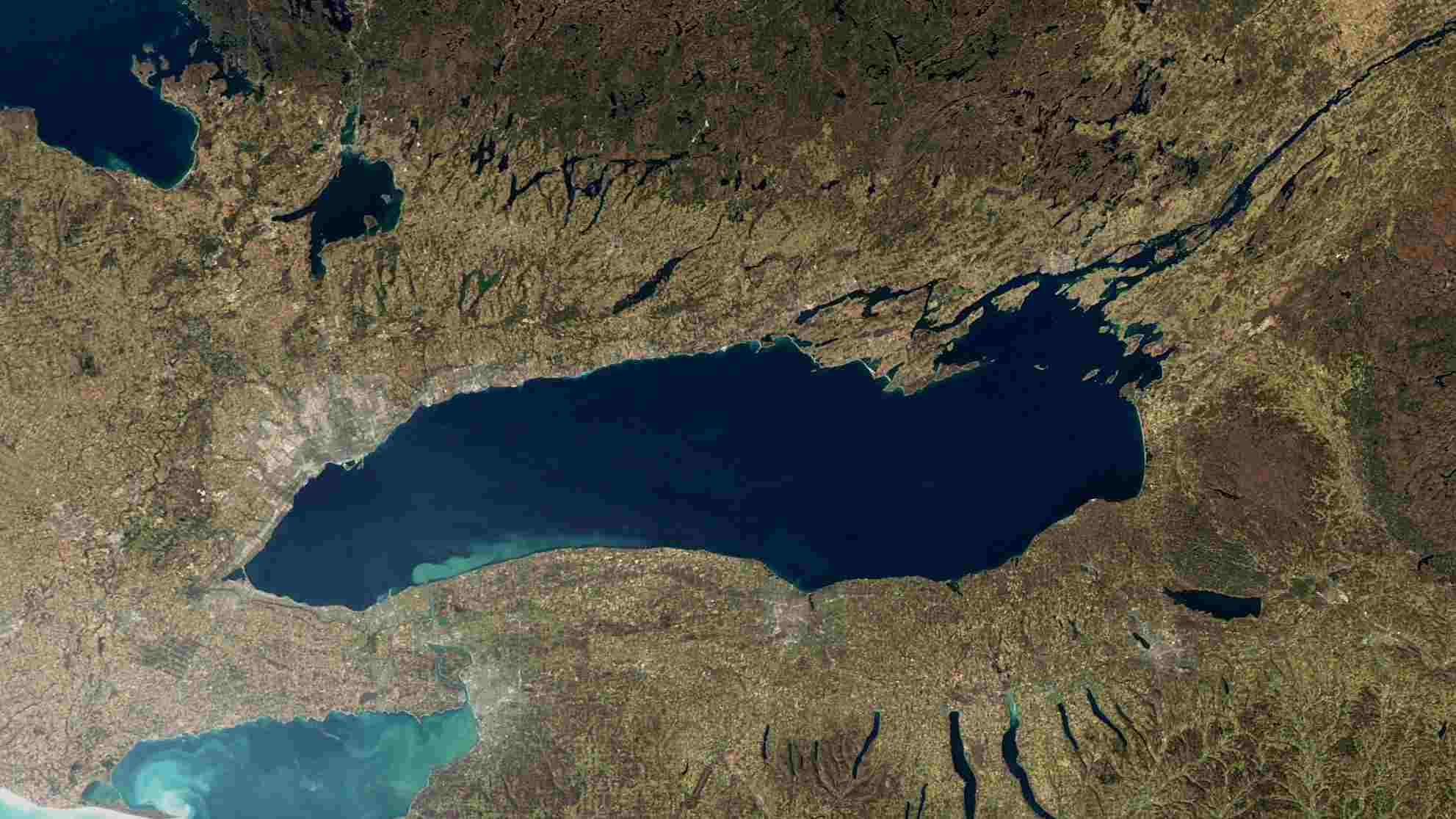


Google Maps has begun labeling Lake Ontario as “Lake America” for users in the US, extending President Donald Trump’s disputed renaming of the shared lake beyond federal government records.
Google said on Saturday, 29 August, that it made the change after the US Geographic Names Information System formally adopted the new name. Users in Canada will continue to see “Lake Ontario,” while people outside the two countries will see both names, according to the company’s official blog.
The National Geospatial-Intelligence Agency separately said it had changed the name in the US Geographic Names Server, the federal repository used for foreign geographic names.
The updates mean Trump’s order has been implemented by key federal naming systems only two days after he signed it. The order had given the Interior Department and the US Board on Geographic Names as long as 30 days to make the change.
Ontario has answered with a large bilingual sign beside the lake near Grimsby declaring “Lake Ontario. Now and Always.”
“President Trump can call it whatever he wants, but I can tell you, the rest of the world will always call it Lake Ontario,” Ontario Premier Doug Ford said on Saturday, according to Reuters.
The Seneca Nation has also called on Trump to rescind the order, arguing that the change disregards the lake’s Indigenous history and US treaty commitments to the Haudenosaunee nations.
“To us, Lake Ontario is not a political pawn,” Seneca Nation President J. Conrad Seneca said in an official statement.
The nation said the lake’s traditional Seneca name, sga:nyodai:yoh, means “beautiful lake.” It accused Trump of seeking to erase an Indigenous identity that predates the establishment of both the United States and Canada.
Trump signed the executive order on Thursday, 27 August, directing federal departments and agencies to use “Lake America” on maps, contracts, documents and official communications.
The order instructed the geographic names database to remove references to Lake Ontario. It applies to US federal usage and does not change Canada’s official terminology, the international boundary through the lake or the navigation and environmental agreements governing the Great Lakes.
It also cannot compel US states or private mapmakers to adopt the name. Google followed the change voluntarily because it uses official government sources for local geographical names. New York Governor Kathy Hochul has said, “New York won’t be calling it that.”
Canadian Prime Minister Mark Carney rejected the designation immediately after it was announced.
“Canadians also know that naming reality means calling it Lake Ontario, then, now and always,” he said.
The White House justified the change by saying the United States supplies nine of the 11 icebreakers operating on the Great Lakes and has spent nearly $4 billion protecting the ecosystem over the past decade. It also said the deepest parts of Lake Ontario lie in US territory and asserted that the United States therefore holds most of its water by volume.
Those claims form the administration’s rationale for changing federal terminology. They do not give Washington authority over the Canadian portion of the lake.
The dispute follows the collapse of US-Canada trade negotiations. Carney suspended the talks on Friday, 21 August, after Washington made last-minute demands that he described as “unfair, uneconomic” and damaging to confidence in any agreement.
US tariffs of 50% on C$27.6 billion, about US$20 billion, of Canadian goods took effect on 22 August. Canada will impose matching tariffs of 15%, 25% and 50% on C$27.6 billion of US imports from 8 September, according to the Canadian Finance Department.
Trump’s order resembles his 2025 decision to rename the Gulf of Mexico as the Gulf of America for US federal purposes. Google subsequently displayed that name to American users while retaining different labels for users elsewhere.
Lake Ontario will now similarly appear under different names depending on the government database or digital map being consulted.
More Top Stories: