- | 10:45 am
Smartphone shipments see worst decline as memory crunch deepens: report
The steepest quarterly decline on record shows how the AI infrastructure boom is squeezing supplies of memory chips, raising handset prices and pushing manufacturers away from cheaper smartphones
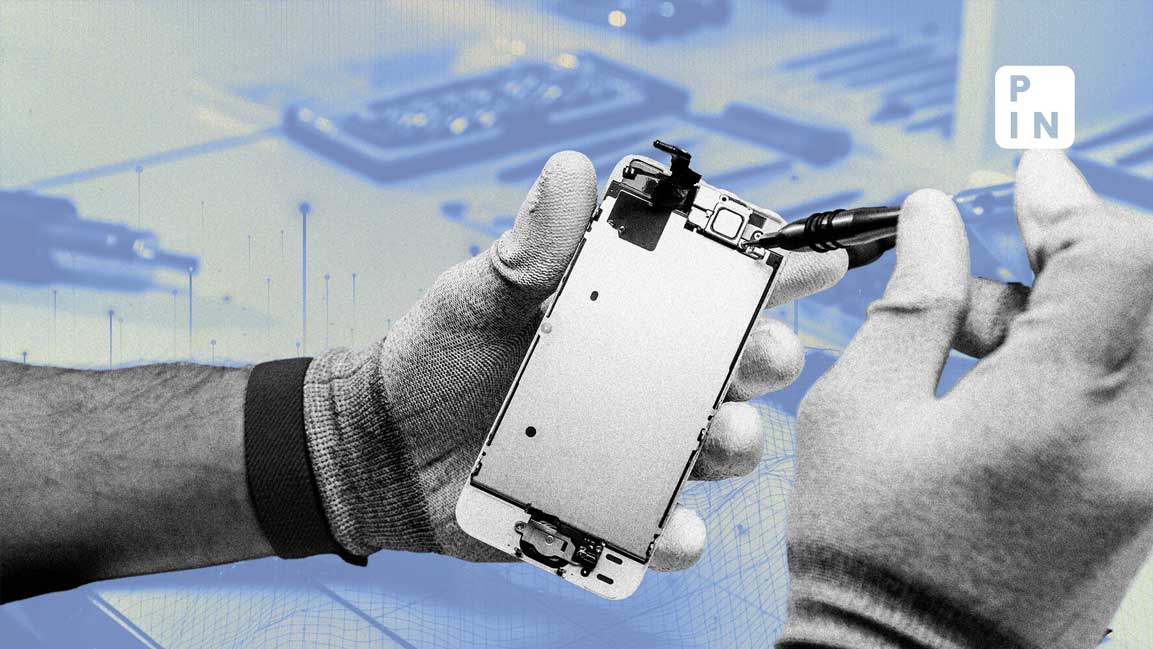


Global smartphone shipments suffered their sharpest quarterly decline on record in the three months through September as surging memory-chip prices forced manufacturers to cut production, raise prices and retreat from lower-margin devices.
Worldwide shipments fell about 22% from a year ago in the third quarter, Bloomberg reported, citing IDC data, extending a downturn that has rapidly worsened as artificial-intelligence infrastructure absorbs an increasing share of global semiconductor capacity.
A separate estimate from Counterpoint Research put the decline at 20%, the lowest third-quarter shipment volume since 2012. Differences between research firms largely reflect methodology, but both point to the same shift in the market: fewer phones are being shipped and the devices that remain are becoming more expensive.
The immediate problem is memory.
AI data centers require enormous quantities of DRAM and NAND, the same broad categories of memory used in smartphones, computers and other consumer electronics. Chip suppliers have diverted manufacturing capacity toward higher-margin products for AI servers, tightening supplies available to handset makers.
IDC now expects global smartphone shipments to fall 16.7% for all of 2026 to just over 1 billion units, the steepest annual contraction the industry has recorded. It expects the average selling price to jump 27.6% to $581 even as volumes collapse. Total market revenue could still rise 6.3% to $613 billion because of that price increase.
That combination is changing the economics of the smartphone industry.
Manufacturers that once relied on large volumes of inexpensive Android devices are finding some models difficult to sell profitably. IDC has warned that parts of the sub-$100 market may become economically unviable if component prices remain elevated.
Brands are responding by cutting weaker models, reducing exposure to highly price-sensitive markets and concentrating production on premium devices where higher component costs can be passed on more easily.
The effects are visible in the market-share data.
Counterpoint said Samsung retained first place globally in the third quarter with a 23% share. Its shipments fell only 3% from a year earlier, helped by stronger access to components, continued demand for its Galaxy A range and the launch of the Galaxy Z Fold8.
Apple followed with a record third-quarter share of 22%, even though its own shipments declined. Apple did not launch a standard iPhone 18 alongside the Pro models in September, reducing the number of devices shipped into retail channels compared with the previous year.
The iPhone 18 Pro models nevertheless had a stronger start than their predecessors, particularly in India and China.
Chinese manufacturers have taken a heavier hit.
Xiaomi’s global shipments dropped more than 30%, according to Counterpoint, after the company reduced its exposure to cheaper phones and some overseas markets. Oppo and Vivo both recorded declines of more than 20%.
China itself remains under pressure. IDC estimates smartphone shipments there fell 15.4% to 57.9 million units in the September quarter, marking a sixth consecutive year-over-year decline.
Huawei was an exception. Its shipments rose 17.3% to 12.2 million units, giving it a 21.1% share of the Chinese market. Apple ranked second with 17.8%, despite a 4.3% fall in shipments. Oppo, Vivo and Xiaomi each posted double-digit declines.
The squeeze has spread beyond phones.
PC shipments have also dropped sharply as computer makers contend with the same memory shortage. The broader problem is that the semiconductor industry is allocating capital and production toward the most profitable part of the market, which for now is AI infrastructure rather than consumer devices.
Consumers are also making the downturn harder to reverse.
Higher handset prices have encouraged people to keep existing phones for longer, while improvements in durability and software support have reduced the need to upgrade as frequently. Refurbished devices are becoming a more attractive alternative for buyers who might previously have purchased a low- or mid-range new phone.
“Consumers are holding on to their devices longer than estimated, increasingly considering refurbished devices and prioritizing higher-value devices,” Counterpoint senior analyst Shilpi Jain said.
IDC’s forecasts suggest the downturn is no longer simply a weak demand cycle.
The research firm has described the shift as a structural reset in which manufacturers sell fewer phones at substantially higher average prices. Foldable devices remain one of the few growth areas, with IDC forecasting shipments in that category to rise 12.6% this year.
A recovery will depend heavily on memory supply.
As long as AI infrastructure customers are willing to pay more for advanced memory and semiconductor capacity, smartphone manufacturers will struggle to recreate the cheap devices that drove much of the market’s expansion over the past decade.
More Top Stories: