- | 12:00 pm
FM rejects Trump’s ‘tariff king’ label for India
Finance minister cites reduced rates and lower effective duties to counter US criticism
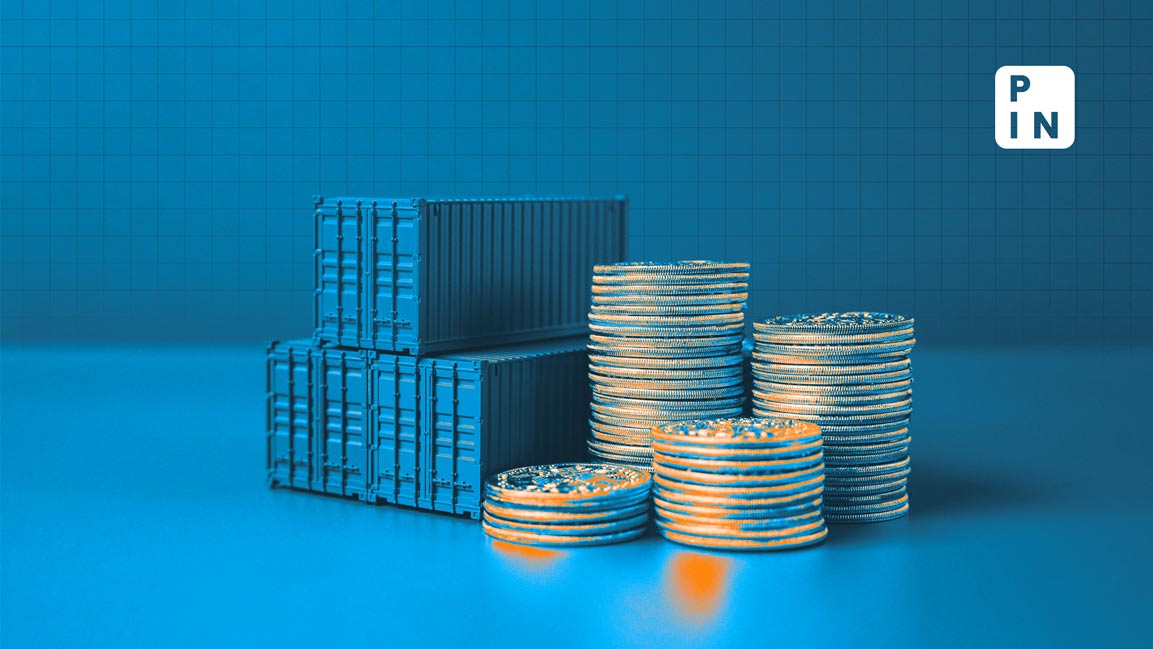


Finance minister Nirmala Sitharaman on Tuesday dismissed US President Donald Trump’s repeated claims that India is a “tariff king,” while pointing out that her latest Budget cut the number of tariff rates to eight and that the effective rate is much lower.
“For those who still believe in the commentary which was made in the US that India may be the tariff king…I want two things to be remembered. Given our system of things, we seek parliamentary approval for deciding on the tariff rate…the permission to go up to a certain level but effectively you are at a far lower level,” she said.
The number of tariff rates was brought down to eight in the FY26 budget with a view to boosting domestic manufacturing and promoting exports, the finance minister said while inaugurating an EXIM Bank trade conclave. “Our procedures have given us the not-so-desirable picture of being very, very restrictive and regressive about tariff. Many of them are already far lower than the rate at which the gazette notification came after the approval of Parliament.”
In her budget presented in February, Sitharaman removed seven tariff rates over and above the seven tariff rates removed in her 2023-24 budget.
“So for those of us who still think there is still a tariff story in India, I want this to be clear: there are only just eight (tariff rates), including the zero rate. So we have done a lot of reforms in reducing the burden on trade by cutting down tariffs to support manufacturing and value addition, promote exports and to facilitate trade,” she said.
With the reduction in tariff, India’s average customs duty declined to 10.66% from 11.65%, and is closer to the same levels prevalent in Southeast Asian countries.
India is currently negotiating a trade deal with the US, its largest trade partner.
Indian goods exports currently face a 10% baseline US tariff, which may continue even after the trade deal comes into effect.
Both nations had earlier decided to conclude the first phase of the proposed bilateral trade agreement by autumn (September–October) this year.
However, both have now agreed on an interim trade deal before the first tranche, to be finalized by 9 July.
The interim deal is expected to cover a limited range of goods and services, with the US seeking market access in India for items, including farm products.
Sitharaman lauded Indian exporters for “swimming against the current” and thriving despite global uncertainty, while also assuring them of continued government support amid headwinds in global trade.
Highlighting three standout traits, she said exporters are not only expanding volumes but also moving up the value chain.
They are not just shipping raw goods and commodities anymore but also high-quality, well-engineered products, she said, while adding that many of these are tech-driven and innovation-led, with intellectual property built in.
Applauding exporters for tapping into new markets, especially as demand in traditional regions like Europe has weakened, she said: “With recessionary trends in Europe and slowing consumption, our exporters have shown remarkable agility in rerouting trade and finding fresh demand elsewhere,” she said.
More Top Stories: