- | 9:20 pm
India Faces Fresh Trade Headwinds as Mexico Lifts Import Duties
Mexico’s plan to lift duties up to 50% on more than 1,400 product categories signals a tougher era for Indian exporters plugged into North American supply chains.
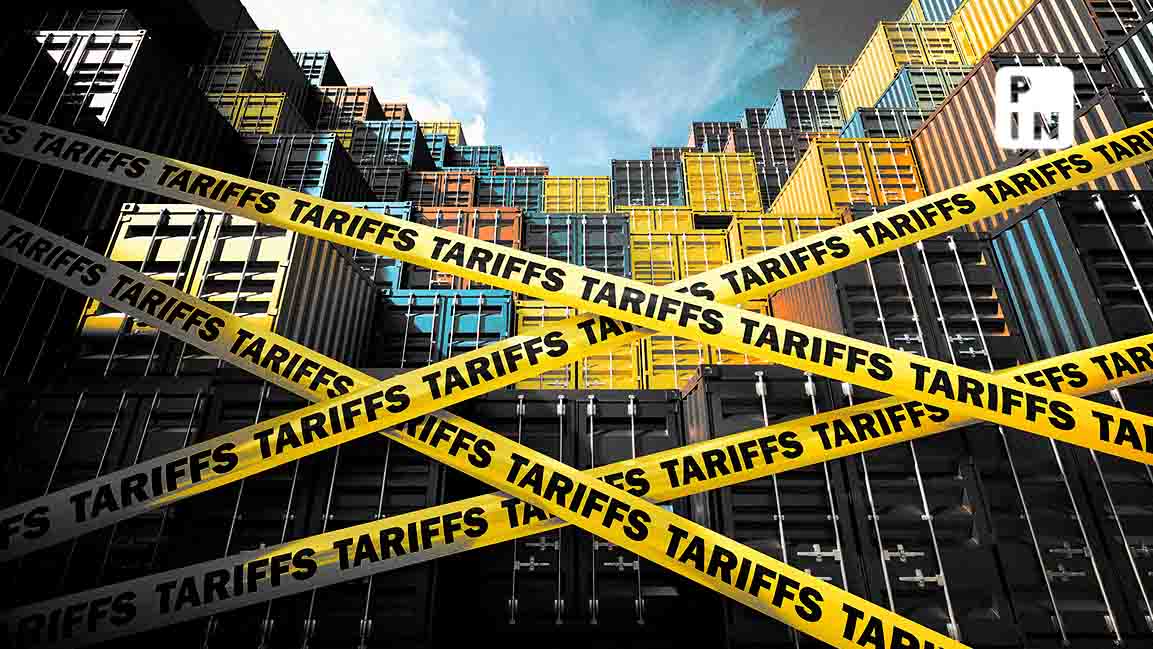


Mexico’s decision to sharply raise import tariffs on goods from countries without free-trade agreements (FTAs) is poised to hit Indian exporters at a delicate moment, threatening to raise costs for pharmaceuticals, auto parts, engineering goods, textiles and consumer products just as companies seek new growth markets beyond a slowing West.
Mexico’s Congress has approved amendments to the General Import and Export Tax Law that will, from 2026, lift duties to as much as 50% on more than 1,400 product categories originating from non-FTA partners, a group that includes India.
The measures are part of President Claudia Sheinbaum’s “Plan México,” which aims to strengthen domestic manufacturing, but are also widely seen by analysts as a strategic recalibration ahead of the next review of the US-Mexico-Canada Agreement.
For India, the move matters more than headline trade numbers suggest. Mexico is a key entry point into North American supply chains, and Indian companies sell into the country both to serve local demand and to feed assembly ecosystems linked to the US market.
Higher tariffs would immediately erode price competitiveness against suppliers operating within Mexico’s FTA network and against domestic producers the policy is designed to shield.
Even where lawmakers have softened proposed rates on some inputs, the broader signal is clear. Once tariff barriers rise, procurement strategies change. Buyers tend to rebalance toward suppliers with local presence or the ability to complete final-stage processing inside Mexico, shifting away from pure exporters whose advantage rests on cost efficiency rather than brand strength.
That dynamic is especially challenging for Indian sectors that compete on price-performance. Pharmaceuticals and specialty chemicals may be able to pass through some costs if products are hard to substitute, but commoditized engineering goods, apparel inputs and mass-market consumer items typically cannot.
Auto components face additional pressure given Mexico’s dense regional supplier base, while textiles and footwear have historically been among the most tariff-sensitive categories.
Mexico’s rationale has become increasingly explicit. Legislative debates and government statements frame the package as an effort to curb import dependence across 17 “strategic sectors,” reduce exposure to supply-chain shocks and improve Mexico’s negotiating position with Washington.
The measures have already drawn criticism abroad. China’s commerce ministry has urged Mexico to roll back what it described as unilateral and protectionist hikes, while Economy Minister Marcelo Ebrard has acknowledged international concern even as he defended the policy’s objectives.
For India, the geopolitical backdrop adds to the risk. New Delhi is navigating its own trade and strategic relationship with the US, and Indian exporters risk becoming collateral damage in a broader effort by Mexico to demonstrate alignment with North American industrial priorities rather than to target India specifically.
The exposure is greatest where Mexico imports meaningfully from India, alternative suppliers are readily available and value density is low.
In those segments, even modest tariff increases can be enough to shut exporters out. There is also a second-order risk. If higher duties raise input costs for Mexican manufacturers reliant on Asian-origin parts, margins could be squeezed and overall import demand reduced, affecting Indian suppliers that may not face the steepest headline rates.
Lawmakers’ decision to moderate some proposed tariffs, citing consumer impact and competitiveness concerns, underscores the potential for such policies to backfire. Still, the direction of travel is unmistakable.
For Indian companies, the response is likely to be pragmatic rather than political. Analysts said firms with long-term North American ambitions may accelerate plans to add local value in Mexico, whether through final assembly, packaging, testing or partnerships with domestic distributors. Others may renegotiate contracts to share tariff burdens or redesign supply chains to qualify for different customs treatment.
More Top Stories: