- | 4:00 pm
India may revise EV norms for foreign firms after US trade deal
The new scheme may even prod US-based EV maker Tesla to set up a manufacturing plant in India.
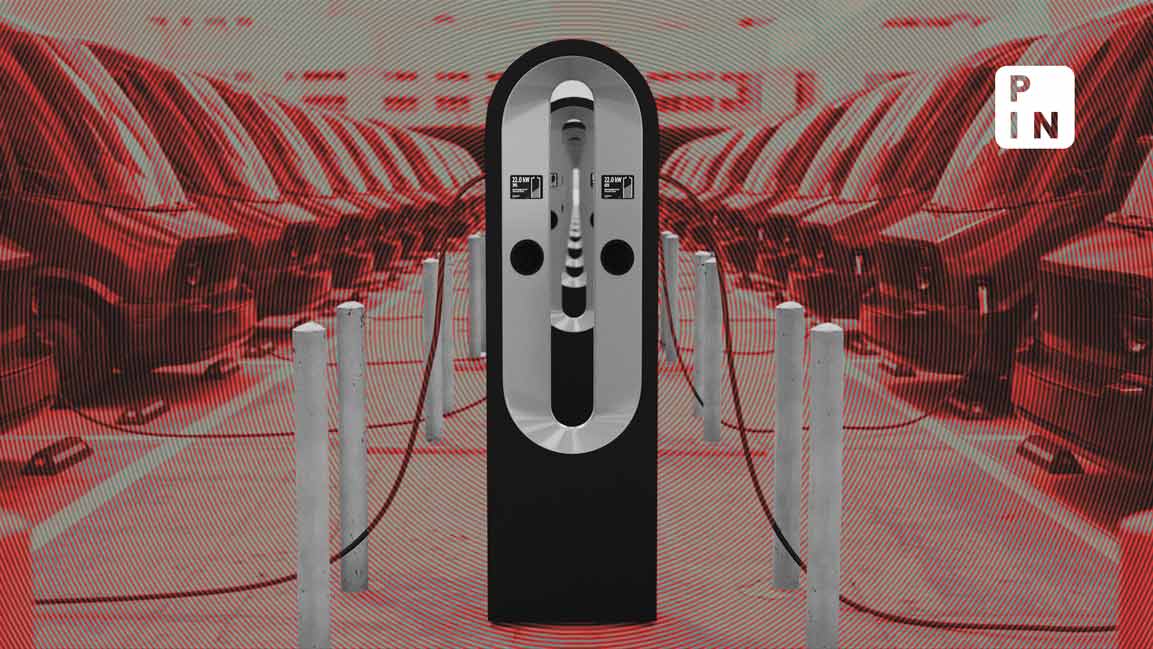


India may consider changes to its electric vehicle (EV) manufacturing policy for foreign firms depending on the outcome of the ongoing India-US bilateral trade agreement.
The policy, dubbed the Scheme to Promote Manufacturing of Electric Passenger Cars in India (SPMEPCI), is aimed at attracting foreign direct investment (FDI) by incentivizing foreign EV makers to set up manufacturing plants in India by offering lower import duties.
The new scheme may even prod US-based EV maker Tesla to set up a manufacturing plant in India.
The development follows a conversation between Prime Minister Narendra Modi and Tesla founder Elon Musk on 18 April.
Under the scheme, Delhi provides incentives to global EV makers by permitting the import of up to 8,000 completely built units annually at a reduced customs duty of 15% for five years.
Standard import duties on such vehicles range between 70% and 80%, or higher.
The SPMEPCI, however, has not generated any interest yet from automobile companies, given the strict guidelines.
But the government could explore options such as removing tariffs entirely, reducing the required investment amount, easing domestic value addition (DVA) norms, or adopting a combination of these measures as part of potential policy revisions, The Financial Express reported, citing an official.
Meanwhile, negotiations on the bilateral trade agreement between India and the US had begun in February, and are still underway in Washington.
According to a fact sheet released by the Office of the US Trade Representative (USTR), the latest round of discussions will focus on resolving trade barriers between the two countries.
On 2 April, US President Donald Trump announced a new tariff structure, introducing a 10% tariff on all imported goods and a 25% duty on foreign-manufactured vehicles. These measures aimed at protecting domestic industries and employment will have implications for ongoing trade talks.
Meanwhile, Tesla has taken initial steps toward establishing a presence in India.
The company has reportedly leased a 5,850-sq-ft office in Pune and started local hiring earlier this year. It has advertised for 13 positions across Mumbai and Delhi.
While India’s willingness to lower EV tariffs could create opportunities for foreign manufacturers, Bloomberg has reported that high production costs are likely to limit the competitiveness of US-made vehicles in the Indian market.
In contrast, existing European automakers such as Volkswagen, Renault, and Skoda, which have experience producing lower-cost models in India, may be better positioned to benefit from any tariff adjustments.
More Top Stories: