- | 7:00 pm
India moves to calm LPG panic as Iran war raises supply fears
Government boosts domestic LPG output 25%, invokes emergency powers and urges households not to hoard cylinders
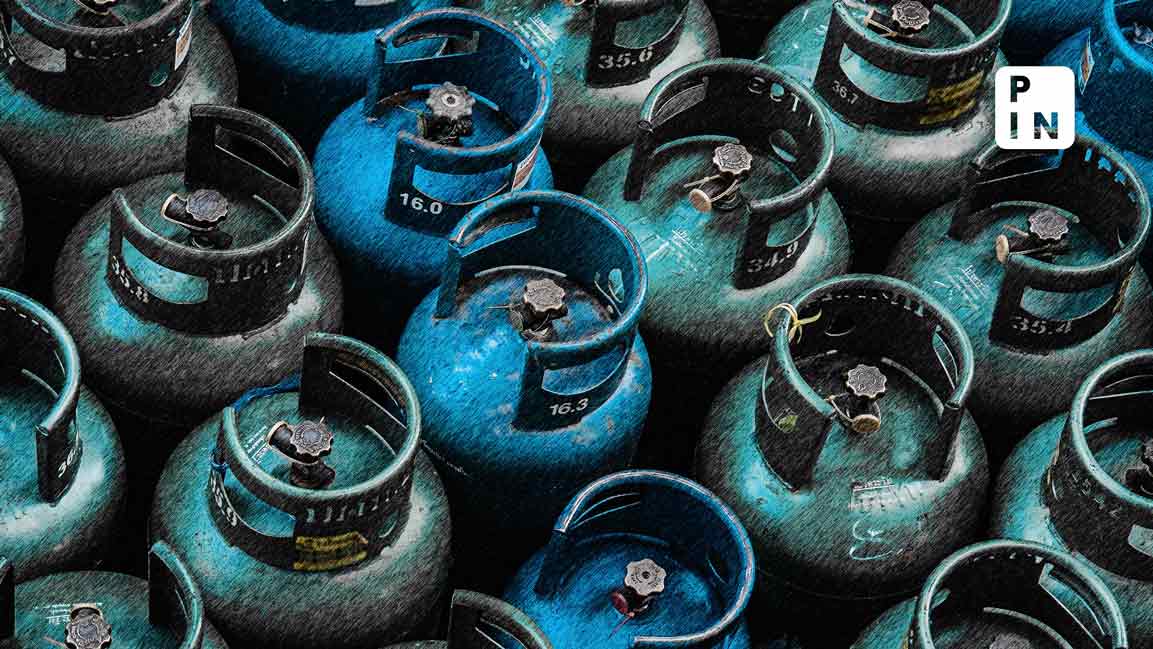


India’s oil ministry sought to reassure consumers on Wednesday, 11 March, that cooking gas supplies remain stable, urging households not to panic book LPG cylinders as global energy tensions triggered fears of shortages across several cities.
At a press briefing in New Delhi, Sujata Sharma, joint secretary in the Ministry of Petroleum and Natural Gas, said the government has taken multiple steps to maintain supplies and shield households from price shocks following disruptions linked to the conflict in the Middle East.
“The current price of a domestic LPG cylinder in Delhi is ₹913 after a ₹60 increase. Without government intervention, the market price would have been higher,” Sharma said, adding that the state has absorbed a significant portion of the cost increase to protect consumers.
To stabilize supply, India has increased domestic LPG production by 25% and is directing the additional output primarily to household consumption, she said.
Officials also warned consumers against panic booking cylinders after reports of surging demand and long queues at gas agencies in several cities.
The average delivery cycle for domestic LPG remains about 2.5 days, Sharma said, urging consumers to continue with normal booking patterns.
The government has introduced temporary demand-management measures to prevent hoarding. The minimum gap between LPG cylinder bookings has been extended from 21 days to 25 days to discourage stockpiling and ensure fair distribution.
Authorities said domestic consumers are being given top priority in gas allocation. Non-domestic LPG supplies are being directed mainly to essential sectors such as hospitals and educational institutions, while industrial users may face tighter access during the disruption.
The government has also invoked the Essential Commodities Act, a law that allows authorities to regulate production, supply and distribution of critical goods during shortages.
Under the directive, refineries and petrochemical plants have been ordered to maximize LPG production by diverting propane and butane streams that would otherwise be used for petrochemical manufacturing.
State-run oil marketing companies including Indian Oil Corp. Ltd, Bharat Petroleum Corp. Ltd and Hindustan Petroleum Corp. Ltd have been instructed to prioritize the country’s roughly 300 million domestic LPG connections. A three-member government panel has been set up to monitor stock levels, coordinate supply logistics and crack down on hoarding or black marketing.
The government’s intervention comes as the escalating conflict involving Iran, the United States and Israel disrupts global energy markets and threatens shipping through the Strait of Hormuz, a key route for Middle East energy exports.
India is heavily dependent on the region for cooking gas supplies. About 60% of the country’s LPG consumption is met through imports, and roughly 90% of those shipments pass through the Strait of Hormuz, making the country vulnerable to geopolitical shocks affecting the corridor.
To mitigate risks, officials said India has begun diversifying energy procurement. Oil marketing companies are sourcing crude from a wider set of countries and two liquefied natural gas cargoes are currently en route to the country.
The government also said that crude oil supplies remain secure despite tensions in the Gulf and that a larger share of imports is now arriving through routes that bypass Hormuz.
Meanwhile, reports from several cities including Delhi, Noida and Kolkata showed consumers rushing to secure cylinders amid fears of shortages, prompting warnings from authorities that panic buying itself could strain the distribution system.
Officials said the current measures are aimed at stabilizing supply until global energy flows normalize, stressing that the situation remains under control and that households should avoid unnecessary bookings.
Energy traders and policymakers are now watching the trajectory of the Middle East conflict closely, as any prolonged disruption to Gulf shipping routes could place sustained pressure on India’s LPG import supply chain.
More Top Stories: