- | 4:30 pm
India signals openness to share AI models with Global South
At FICCI’s Bhashantara 2025, MeitY Secretary outlines India's multilingual AI vision as industry calls for deeper public data access and collaboration
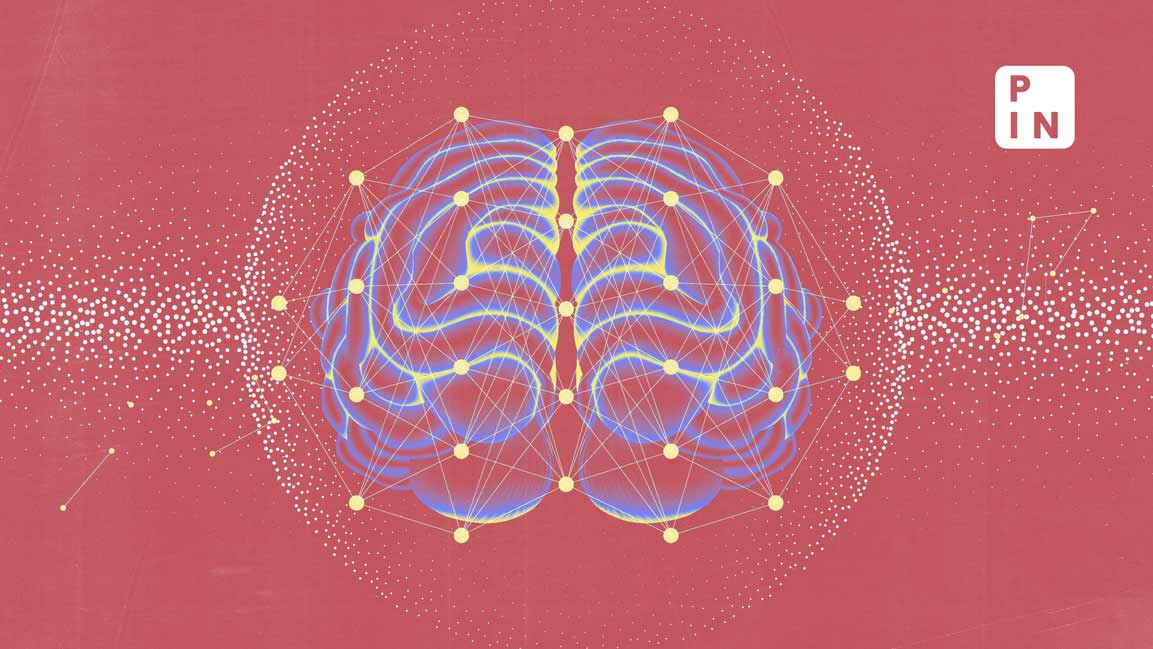


India is ready to share its artificial intelligence (AI) models with countries across the Global South, S. Krishnan, secretary at the ministry of electronics and information technology (MeitY), said on Friday at FICCI’s Bhashantara 2025 conference in New Delhi.
Addressing the event, Krishnan said India’s experience in building AI for highly diverse language environments could serve as a global template.
“If you can do it in India, you can do it practically anywhere else in the world,” he said, referring to the country’s complex linguistic and digital ecosystem.
India’s openness to sharing models has already drawn attention from the United Nations, where officials have expressed interest in collaborative approaches to AI, Krishnan added.
The move positions India as an emerging counterweight in AI development, especially for multilingual, low-resource contexts.
Krishnan cited the India AI Mission’s flagship initiatives such as AI Kosh, a data repository housing over 400 datasets, and Mission Bhashini and Anuvadini, which aim to support AI tools built in Indian languages and regional dialects.
“We are trying to ensure we are capturing not just the major languages but also the dialects and the regional languages,” Krishnan said.
In a departure from purely state- or corporate-driven models seen globally, Krishnan said India’s approach involved multi-stakeholder collaboration, drawing together academia, research institutions, and industry to develop scalable solutions.
One such example is India’s effort to digitize traditional knowledge, including Ayurvedic literature and historical manuscripts, which is expected to form the basis for future datasets in areas such as healthcare.
Industry leaders at the conference echoed the need for structural support to scale India’s AI capacity.
Harsh Dhand, research and AI partnerships APAC lead at Google and co-chair of FICCI’s Multilingual Internet Committee, said the private sector must contribute through access to core technology, seed funding for startups and universities, and investment in skilling.
He called on the government to unlock historical audio and textual data from institutions such as Prasar Bharati and All India Radio, and to redefine the “Make in India” initiative as “Made in India by India for India.”
Dhand also urged closer integration of research entities to reduce duplication and improve resource efficiency.
The conference underscored the momentum toward a multilingual internet, both as a development imperative and a market opportunity.
Ajay Data, chairman of FICCI’s multilingual internet and universal acceptance committee, said domain names were now available in all official Indian languages.
With more than 6 billion people globally not speaking English as their primary language, he said, the future of the internet must be inclusive by design.
“We are no longer debating the possibility of a multilingual internet,” said Sandeep Nulkar, co-chair of the multilingual internet committee and founder of BITS Technologies. “We are actually mobilizing around its urgency, not only in an academic manner, but also in a demographic and development and economic perspective.”
More Top Stories: