- | 5:30 pm
India, US plan preliminary mini trade deal: report
Sensitive issues such as immigration and transfer of intellectual property (IP) rights are likely to remain out of the scope of the mini deal


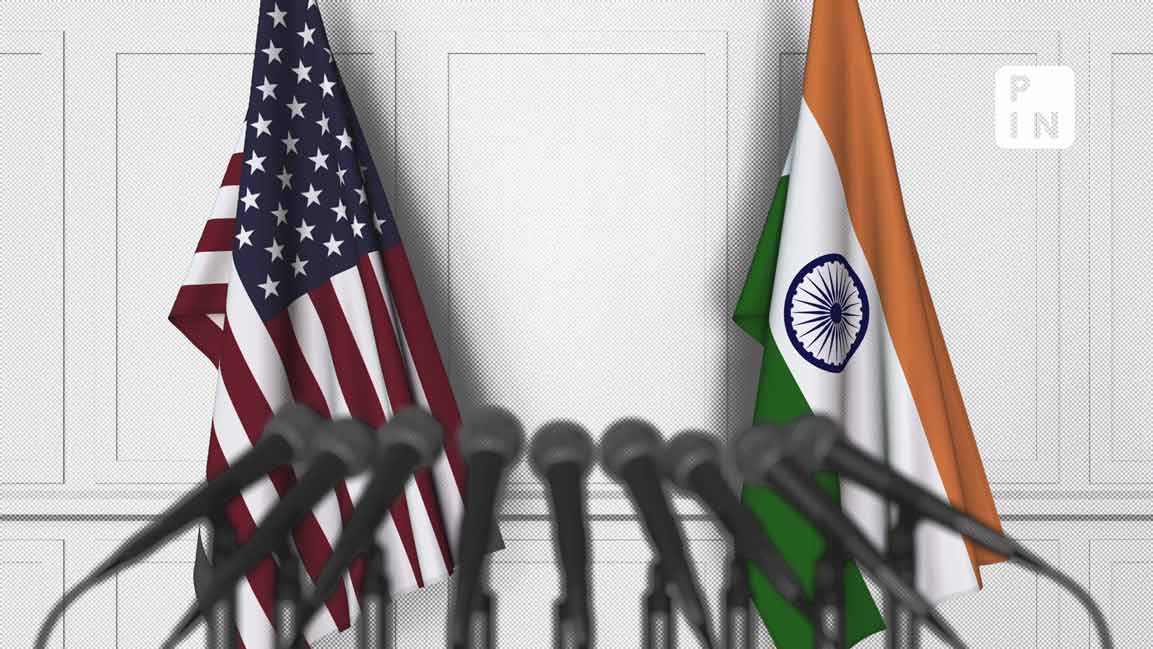
India and the US are poised to sign a preliminary trade deal as a first step towards a full-fledged bilateral trade deal, Mint reported on Monday, citing two people aware of the matter who sought anonymity.
Commerce and industry minister Piyush Goyal returned on Friday from a week-long visit to Washington following discussions with US officials on the broad contours a trade deal.
Sensitive issues such as immigration and transfer of intellectual property (IP) rights were off the table during the talks, the report said, citing one of the people mentioned above, adding that tariff concessions for almonds, lentils and advanced tech products in pharms, among others were discussed.
US President Donald Trump has announced reciprocal tariffs against India and other countries from 2 April to counter a perceived trade imbalance by imposing higher tariffs on countries with which the US runs a trade deficit.
With India-US trade exceeding $125 billion in 2024, Indian exporters in many sectors face significant risks.
India is reportedly pushing for a structured reduction in duties, similar to the frameworks adopted in trade deals with the UAE, Australia, and the European Free Trade Association (EFTA).
Such bilateral deals have so far led to a significant reduction in tariffs across industries, with such tariff structures being consistent with the Indian policy of encouraging domestic industries by facilitating market access, the report said.
Trade policy think tank GTRI had last week cautioned against negotiating a broader trade agreement.
“A comprehensive trade deal will open the door to US demands, not just on tariff reductions, but also on government procurement, agricultural subsidies, patent laws, and unrestricted data flows—all of which India has consistently opposed,” GTRI founder Ajay Srivastava said, adding that the US’s insistence on “everything being on the table” could lead to concessions that harm India’s strategic interests.
Instead of a comprehensive agreement, as no other country is negotiating one under Trump’s presidency, India should offer a “zero-for-zero” deal covering 90% of industrial goods, while excluding sensitive sectors such automobiles. Srivastava said.
If the US rejects the offer and imposes reciprocal tariffs on 2 April, India should respond only if necessary, as trade data suggests that accurately calculated reciprocal tariffs will not hurt most industry sectors. India may gain from tariffs on other countries as well, he said.
Trump tariff strategy is already failing, with him going back on many tariff measures. By maintaining a strategic distancing approach, India can protect its domestic industries while ensuring fair and mutually beneficial trade relations with the US, he added.
During Prime Minister Narendra Modi’s visit last month to Washington, where he held talks with Trump, both leaders expressed keen interest in signing a bilateral trade agreement.
More Top Stories: