- | 11:00 pm
India, US trade talks continue while tariffs fly: report
India and the US return to the table with a deal in sight—but oil, tariffs, and Trump’s rhetoric keep raising the stakes
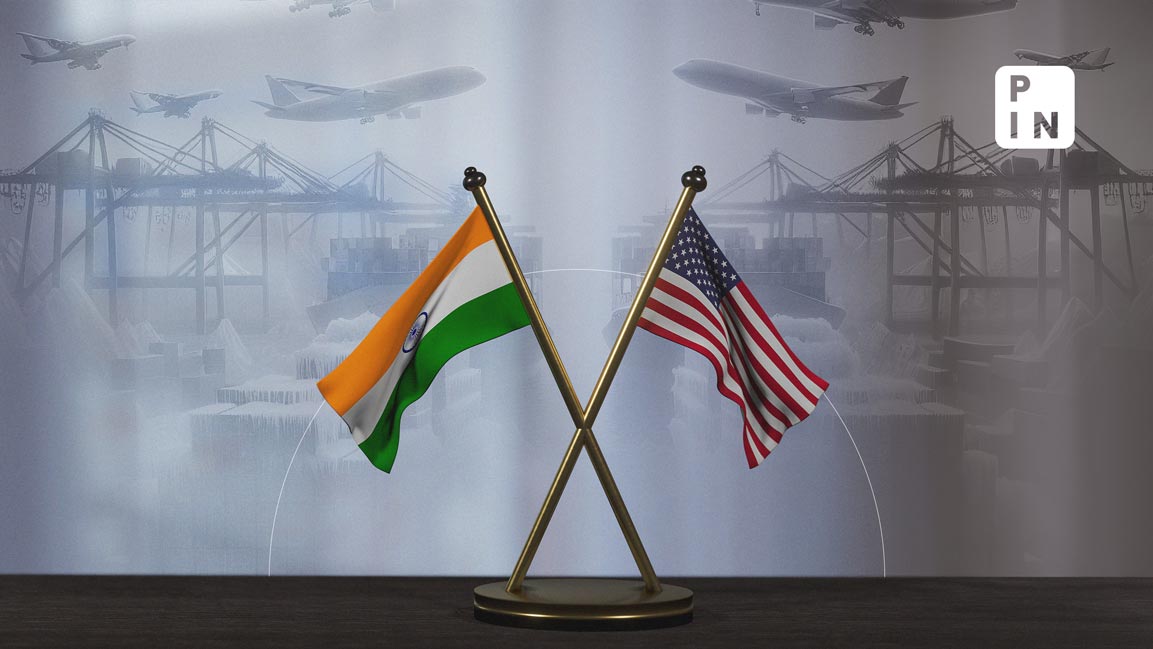


India and the US are moving quickly to conclude a mutually beneficial early trade agreement by the end of August, sticking to a framework finalized on 29 March despite recent political tensions and tariff threats, the Hindustan Times reported.
Both sides are working “strictly” within this agreed structure and are proceeding independently of any broader geopolitical alignments, including strategic energy partnerships with third countries, the report, citing unidentified people aware of the developments.
The upcoming round of negotiations, scheduled to begin on 25 August in New Delhi, could deliver concrete outcomes and even pave the way for an interim deal. The US team is expected to arrive in Delhi a day earlier.Q
Five previous rounds—held both in-person and virtually—have already led to substantial convergence on several key issues, the report added.
The groundwork for the current push was laid during US vice president J.D. Vance’s visit to India on 22 April, when he announced the finalization of the terms of reference for bilateral trade talks and described it as a vital step toward a final deal.
While the negotiation framework may open the door for greater energy trade between the two countries, Indian officials said it does not restrict either side from purchasing oil and gas from any third country.
This comes amid concerns over a 25% tariff recently announced by US President Donald Trump on Indian goods, as well as an additional levy targeting India’s continued energy imports from Russia.
Trade in energy may be included in the final contours of the agreement, but India’s position on maintaining autonomy over its sourcing decisions remains unchanged.
The US imposed a 25% tariff on Indian goods and threatened additional penalties tied to India’s ongoing imports of Russian oil.
Trump criticized India’s energy trade, accusing it of buying massive volumes of Russian crude and then reselling them for profit—which he argued supports Moscow’s war effort
Despite escalating pressure from Washington, India said it will continue purchasing Russian oil under long‑term contracts and strategic considerations, Reuters reported, adding that people in the government emphasize that recent pauses by state refiners reflect market conditions, not a shift in policy
Russia remains India’s top supplier—providing roughly 35% of its oil imports in early 2025—followed by Iraq, Saudi Arabia, and the UAE
India imports about 85‑87% of its crude from nearly 40 countries, pursuing a diversified sourcing strategy that intensified after 2022 when Russia offered steep discounts amid Western sanctions.
Indian officials stress that energy security and affordability remain core policy priorities and any bilateral trade pact will not restrict India’s sovereign right to choose suppliers like Russia.
More Top Stories: