


- | 5:00 pm
Jaishankar leaves for six-day visit to the US
Jaishankar's visit will be first high-level tour from India to the US since Donald Trump’s presidential win in November.
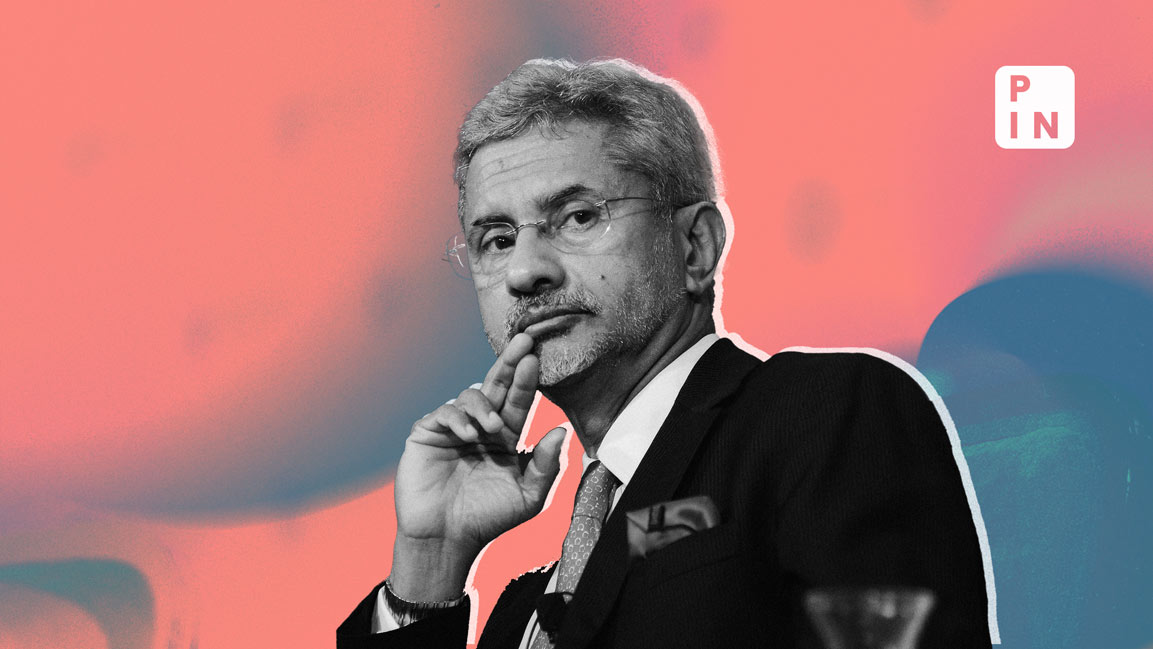


External affairs minister S. Jaishankar is on a six-day tour of the US from 24 December, the foreign ministry said on Monday.
Jaishankar’s visit will be first high-level tour from India to the US since Donald Trump’s presidential win in November.
The external affairs minister’s visit will culminate on 29 December, the ministry said.
“He will be meeting counterparts to discuss key bilateral, regional and global issues. During the visit, the external affairs minister will also chair a conference of the consul generals of India in the US,” the ministry said in a statement.
After Trump secured a second term in the White House in November, India expressed a positive outlook on the New Delhi-Washington ties.
However, last week, Trump threatened what he called “reciprocal taxes” on countries, including India for imposing “high tariffs” on US products.
Trump was responding to a question on whether his incoming administration would have a trade deal with China, which is on the US president-elect’s radar.
“The word reciprocal is important because if somebody charges us—India, we don’t have to talk about our own—if India charges us 100%, do we charge them nothing for the same? You know, they send in a bicycle and we send them a bicycle. They charge us 100 and 200. India charges a lot. Brazil charges a lot. If they want to charge us, that’s fine, but we’re going to charge them the same thing,” the president-elect said on 17 December at a press conference.
India has not yet responded to Trump’s threat, but US ambassador to India Eric Garcetti on 19 December said New Delhi and Washington need to lower tariffs together to improve trade between the two countries.
“We need, together, to lower tariffs, not to see them go up,” Garcetti said at an event organized by the US-India Business Council (USIBC).
“We need, together, to increase trade and to make it more fair and equal. We need to, together, make sure that there’s training and talent that meets the needs of companies on both sides of the Indo-Pacific,” he said, adding that the two countries “become closer”, they are able to be “more blunt” with each other.
More Top Stories:










