- | 8:00 pm
JSW, Vedanta show interest in proposed PLI for rare earths: report
The plan, aimed at reducing India’s reliance on Chinese supply chains for critical minerals, is expected to be submitted for cabinet approval soon
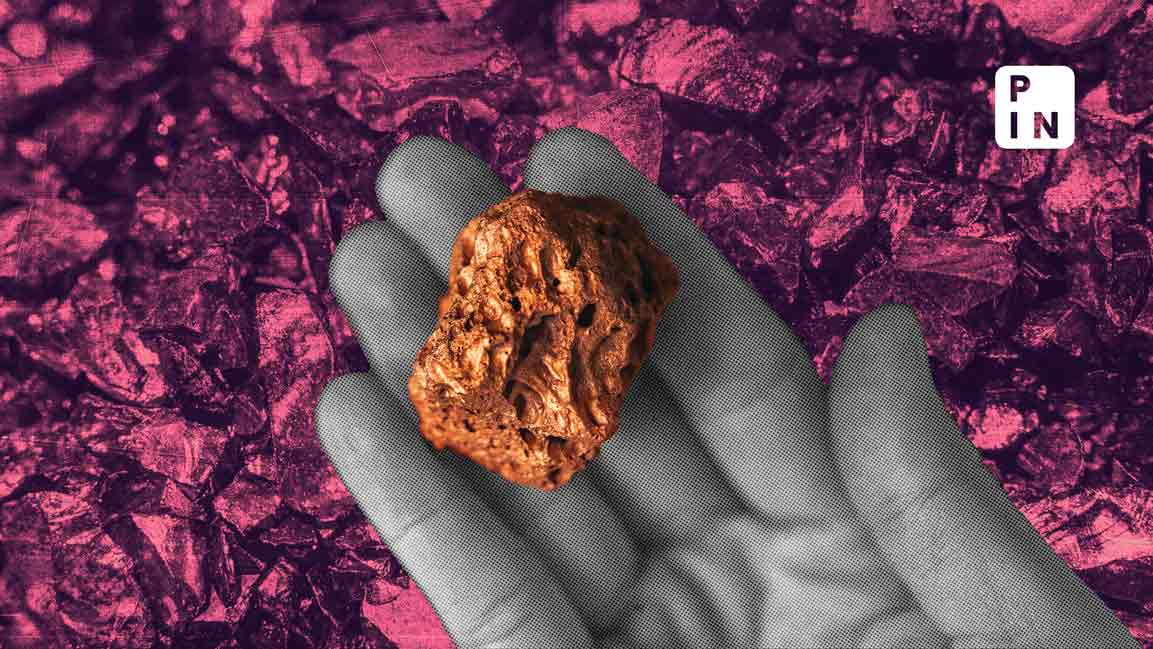


India is preparing a new production-linked incentive (PLI) policy to promote domestic manufacturing of rare earth magnets, with companies such as Vedanta Group and JSW Group emerging as potential participants, Bloomberg reported on Wednesday, citing people familiar with the matter.
The plan, aimed at reducing India’s reliance on Chinese supply chains for critical minerals, is expected to be submitted for cabinet approval soon.
Rare earth magnets, made from elements like neodymium and praseodymium, are essential components in electric vehicle motors, wind turbines, and advanced electronics. China currently dominates global production and processing of rare earths, controlling about 90% of the market.
In recent years, Beijing’s tightening of export controls has disrupted supply chains worldwide, including in India, where the EV and renewable energy industries are growing rapidly.
Prime Minister Narendra Modi highlighted the issue at the BRICS summit in Rio de Janeiro last week, saying: “It’s important to ensure that no country uses these resources for its own selfish gain or as a weapon against others.”
Although details of the scheme have not been made public, the government has signaled its intent to support private investment in rare earth magnets.
Heavy industries minister H.D. Kumaraswamy said at a recent event in New Delhi that incentives for magnet manufacturers were under consideration. The ministry has declined to comment further on timelines or budget outlays.
India has sought to reduce import dependence in the sector for years, but domestic production has remained limited despite the country’s reserves of rare earth elements.
State-owned Indian Rare Earths Ltd produces some raw materials, but downstream processing and manufacturing capabilities remain nascent. The technical complexity of production, environmental risks, and high costs have deterred private players from entering without government support.
Developing rare earth magnet manufacturing is critical for India’s growing EV and wind energy sectors, as well as for national security. Domestic EV sales more than doubled last year and are projected to continue rising, creating demand for thousands of tons of high-performance magnets over the next decade.
To complement domestic efforts, India has also pursued mining projects abroad. State-owned Khanij Bidesh India Ltd. has been in talks with governments in Argentina, Zambia, and Australia to secure rare earth and lithium concessions. These overseas ventures, however, remain in the early stages.
For private companies such as Vedanta and JSW, participation in India’s rare earth magnet push aligns with their diversification strategies and offers a foothold in a high-growth, strategically important industry. Auto parts maker Sona BLW Precision Forgings has also expressed interest, saying it would explore partnerships to acquire the technology needed to manufacture magnets domestically.
While the proposed incentive program is modest in scale compared to China’s industrial base, it marks a significant step toward building resilient supply chains and supporting India’s clean energy transition. Industry experts caution, however, that meaningful production could take several years to materialize, given the long lead times for setting up mines and processing facilities.
The government is expected to finalize the scheme in the coming weeks. For now, the focus remains on ensuring India is no longer overly dependent on imports of materials increasingly seen as both economically and strategically vital.
More Top Stories: