- | 5:35 pm
Lok Sabha passes new exam bill amid opposition uproar
The bill raises prison terms and fines and requires faster investigations and trials after the NEET leak triggered nationwide student protests.
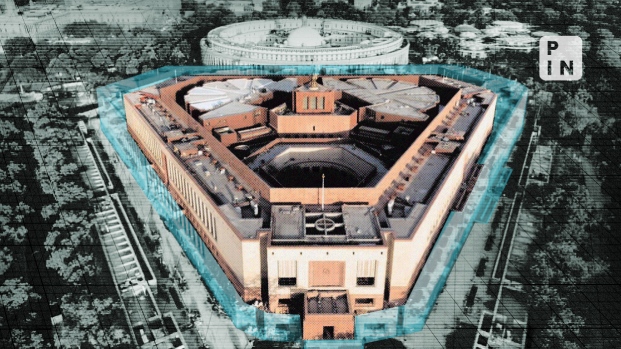


The Lok Sabha on Wednesday, 29 July, passed a bill that would impose tougher penalties for examination paper leaks and require investigations and trials to be completed within fixed periods.
The Public Examinations (Prevention of Unfair Means) Amendment Bill, 2026 was passed after two days of debate in the lower house. It must still clear the Rajya Sabha and receive presidential assent before becoming law.
The bill would raise the punishment for individuals involved in paper leaks or other prohibited practices to between five and 10 years in prison, from three to five years. The maximum fine would rise fivefold to ₹50 lakh.
Service providers involved in examination fraud could be fined as much as ₹5 crore, compared with ₹1 crore under the existing law, and barred from conducting public examinations for eight years instead of four. Directors and senior managers found to have consented to or connived in an offense would face five to 10 years in prison and a ₹5 crore fine.
The most severe penalties would apply to organized examination crime. The minimum prison term would increase to seven years from five, while the maximum would remain 10 years. The minimum fine would rise to ₹10 crore, or about $1.05 million, from ₹1 crore. The existing law also permits the attachment and forfeiture of property belonging to an institution convicted of organized crime.
The bill requires police investigations to be completed within two months of the information being recorded. The same deadline would run from the date a case is referred to a central investigating agency or a special task force is constituted.
Each state and Union territory would be required, in consultation with the chief justice of the relevant high court, to designate a sessions court as a special fast-track court.
Trials would ordinarily proceed from day to day and must be completed within three months of the filing of a chargesheet. Pending cases would be transferred to the designated courts.
Appeals would go to a two-judge bench of the relevant high court. They must normally be filed within 30 days, with delayed filings permitted for sufficient cause, but not after 90 days.
Minister of State for Personnel Jitendra Singh said the amendments were intended to “make the law more stringent and ensure speedy justice.”
The legislation amends the Public Examinations Prevention of Unfair Means Act, which took effect in June 2024. The law covers examinations conducted by bodies including the Union Public Service Commission, Staff Selection Commission, Railway Recruitment Boards, Institute of Banking Personnel Selection and National Testing Agency. Its offenses are cognizable, non-bailable and non-compoundable.
The bill followed the alleged leak of questions from the National Eligibility cum Entrance Test for undergraduate medical admissions before the 3 May examination. About 2.28 million candidates had registered for the test, according to the NTA.
The National Testing Agency cancelled the examination and conducted it again on 21 June. The Central Bureau of Investigation registered a case involving allegations of criminal conspiracy, cheating, theft, destruction of evidence and violations of the 2024 examinations law. The agency said the alleged unauthorized circulation of examination material potentially compromised the integrity of the process.
The CBI had arrested 13 people by late May, including teachers, coaching-center personnel and a doctor. The leak and the decision to make more than two million candidates sit the examination again helped fuel almost two months of demonstrations.
Tens of thousands of protesters gathered in central Delhi during the unrest, and police used tear gas and batons when some attempted to march toward Parliament. Education Minister Dharmendra Pradhan resigned on 25 July as pressure on the government increased.
Prime Minister Narendra Modi subsequently announced that Infosys co-founder Nandan Nilekani would lead a high-powered task force on examination reform.
Opposition lawmakers questioned whether tougher punishment alone would address failures in the examination system. RSP lawmaker N.K. Premachandran called the changes “merely cosmetic” and said the bill was inadequate.
PRS Legislative Research has also raised questions about the proposed deadlines. It noted that the Supreme Court ruled in 2002 that prescribing an absolute limit for completing criminal proceedings may be neither feasible nor judicially permissible. The bill does not specify what happens when investigators miss its two-month deadline.
More Top Stories: