- | 9:00 pm
RBI brings most of its gold back home
The central bank now keeps more than 65% of its bullion in Indian vaults and is building a $700bn reserve buffer against sanctions risk, tariff pressure and dollar shocks
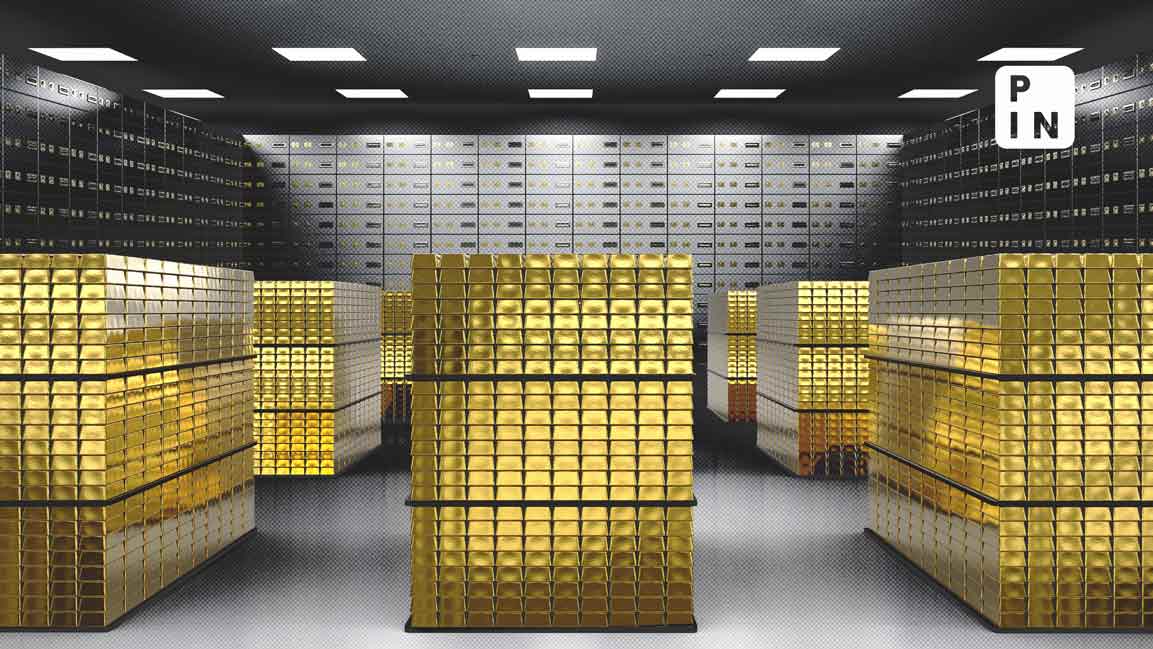


India’s central bank has moved most of its gold reserves back to domestic vaults, sharply reducing its reliance on foreign storage at a time when central banks are reassessing the safety of overseas reserves after the West froze Russia’s assets in 2022.
The Reserve Bank of India (RBI) now keeps more than 65% of its gold in the country, up from about 38% in September 2022.
As of the end of last month, the RBI held 880 metric tons of gold, of which 576 tons were stored in India, an all time high. RBI said it brought back nearly 64 tons of gold in the first six months of the current fiscal that began in April.
The RBI disclosed the new positioning of its bullion in a half-yearly report on the management of foreign exchange reserves released this week.
Gold now makes up 13.92% of India’s overall reserves by value, up from 11.70% at the end of March. The report showed that the RBI continues to hold part of its bullion with the Bank of England and the Bank for International Settlements, but is steadily reducing the share kept overseas.
The RBI did not publicly spell out a motive for accelerating repatriation, but the direction is clear. Central banks have become more wary of leaving sovereign assets in foreign jurisdictions after the US, European Union and other Group of Seven members froze hundreds of billions of dollars of Russian reserves in response to the invasion of Ukraine.
Over the past four years, India has brought home nearly 280 tons of gold. Finance minister Nirmala Sitharaman said in September that the central bank is taking a “very considered decision” to diversify reserves.
This shift is also about insulation from the US dollar. RBI has been a consistent buyer of gold in recent years and one of the more active central banks globally in building bullion as an alternative store of value.
At the same time, RBI has been trimming its holdings of US Treasuries, , a shift officials have described as reserve diversification even before Washington’s tariff fight with New Delhi escalated.
That fight intensified after US President Donald Trump imposed a 50% tariff on most Indian exports, saying part of that levy was meant to punish India for continuing to buy Russian oil.
Reserves give India room to handle those external shocks. The RBI said India’s foreign exchange stockpile was $700.09 billion at the end of September and had risen to about $702.3 billion by the week ending 17 October, close to its record high. That puts India among the world’s largest reserve holders and covers more than 11 months of imports, a traditional comfort metric for currency defense.
Gold has also surged in price this year as geopolitical risk and trade pressure have pushed central banks worldwide to diversify out of dollar assets. India’s gold holdings topped $100 billion for the first time in October, and gold now accounts for roughly 15% of total reserves, the highest share since the late 1990s.
The central bank began publishing half-yearly reserve management reports in February 2004 to show how it manages foreign currency assets and gold.
More Top Stories: