
- | 12:40 pm
US-India trade deal nears tariff test
Greer’s Delhi visit pushes negotiations into the hard stretch as both sides seek an interim pact before Washington’s tariff deadline
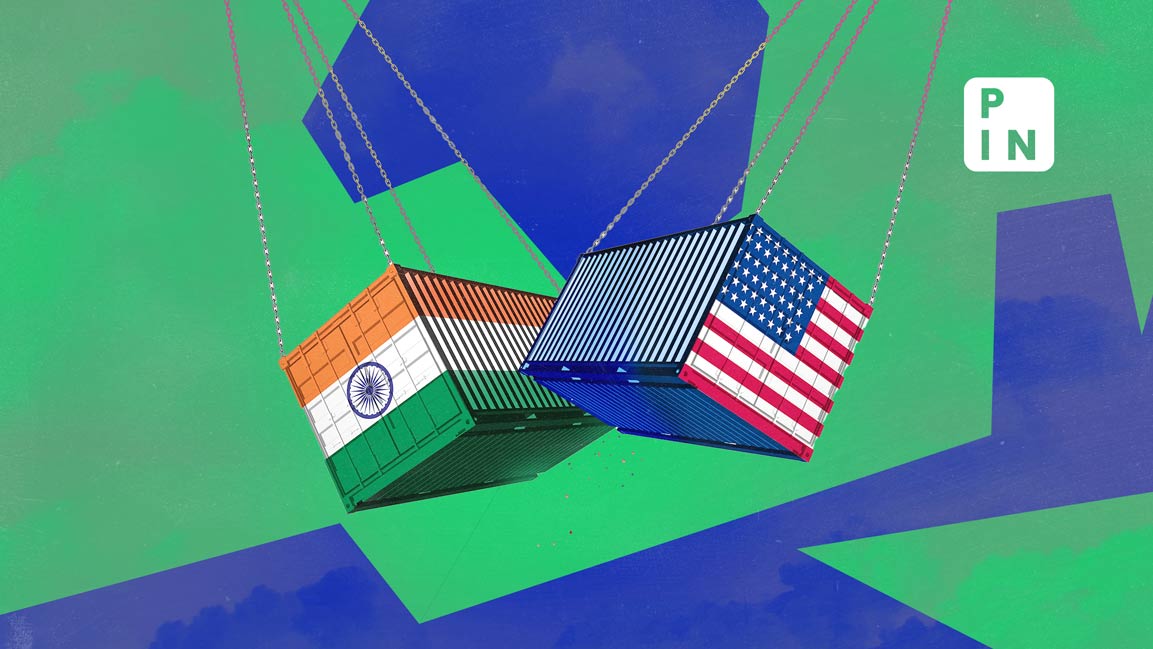


The US and India pushed trade negotiations into a tighter political window on Tuesday, with US Trade Representative Jamieson Greer meeting Commerce and Industry Minister Piyush Goyal in New Delhi as both sides tried to close an interim agreement before Washington’s tariff deadline.
US Ambassador Sergio Gor said on X that it was “great to be with Minister @PiyushGoyal and @USTradeRep Ambassador Greer today in New Delhi,” adding that there were “ongoing discussions on finalizing the trade deal between the US and India.”
The US Embassy in India said Washington was focused on a “fair and reciprocal” trade agreement that would benefit both countries and open markets for American exporters.
The statement came as Greer began a 23-24 June visit for talks aimed at giving final shape to an interim pact.
The latest round matters because the proposed agreement has moved from broad intent to the harder work of tariff schedules, political red lines and sectoral carve-outs.
India has been seeking tariff terms that leave it better placed than regional competitors, including Vietnam and other Asian exporting economies, while the US has pushed for broader market access.
Goyal has publicly said India wants an arrangement that gives its exporters a comparative advantage.
“The faster, the better,” he said earlier, referring to the effort to close the agreement. That phrase carries the impatience of a negotiator who knows the calendar is no longer background scenery.
The talks follow a preliminary understanding announced in February, when both sides signaled a willingness to move toward a more structured trade arrangement. But the process has been complicated by the Trump administration’s tariff strategy, legal uncertainty around global tariffs and US pressure on India over trade practices.
Reuters reported that India wants the deal finalized before Washington’s temporary 10% global tariff expires on 24 July.
New Delhi is also looking for assurances against future tariff increases, a critical point for exporters who cannot price goods on vibes, despite governments frequently trying to run trade policy that way.
For India, the stakes are not just bilateral. A better tariff position in the US market could help labor-intensive sectors, including textiles, gems and jewelry, leather, engineering goods and some processed foods, at a time when global demand remains uneven.
The deal could also affect how companies position India within China-plus-one sourcing strategies.
For the US, the talks are about market access, energy purchases, agricultural exports, industrial goods and the political optics of forcing trading partners into what the Trump administration calls reciprocal arrangements.
Greer’s presence in New Delhi signals that Washington wants senior-level closure, not another polite round of “constructive” talks, that diplomatic word for nothing quite happened but everyone had tea.
Still, the hardest sectors remain the familiar ones. Agriculture and dairy have long been sensitive in Indian trade negotiations.
Digital trade, standards, medical devices and tariff predictability are also likely to remain on the table. India has resisted opening politically sensitive markets too quickly, while the US has little incentive to settle for a narrow package unless it can show measurable gains for American exporters.
India’s foreign secretary Vikram Misri said on 18 June that trade had created some uncertainty in the relationship, but that the issue was discussed by Prime Minister Narendra Modi and US President Donald Trump.
Greer’s visit suggests both sides are trying to prevent that uncertainty from spilling into the wider strategic relationship.
The talks also come at a time when India has been trying to lock in more predictable trade access with key partners.
New Delhi has pursued a series of trade agreements to protect its export base and attract manufacturing investment.
A US deal would carry more weight than most because of the size of the market and the signaling value for global supply chains.
More Top Stories: