- | 2:40 pm
US opens forced labor trade probe against India, other countries
Section 301 investigation will review safeguards among 60 trading partners and could lead to tariffs or other restrictions on imports


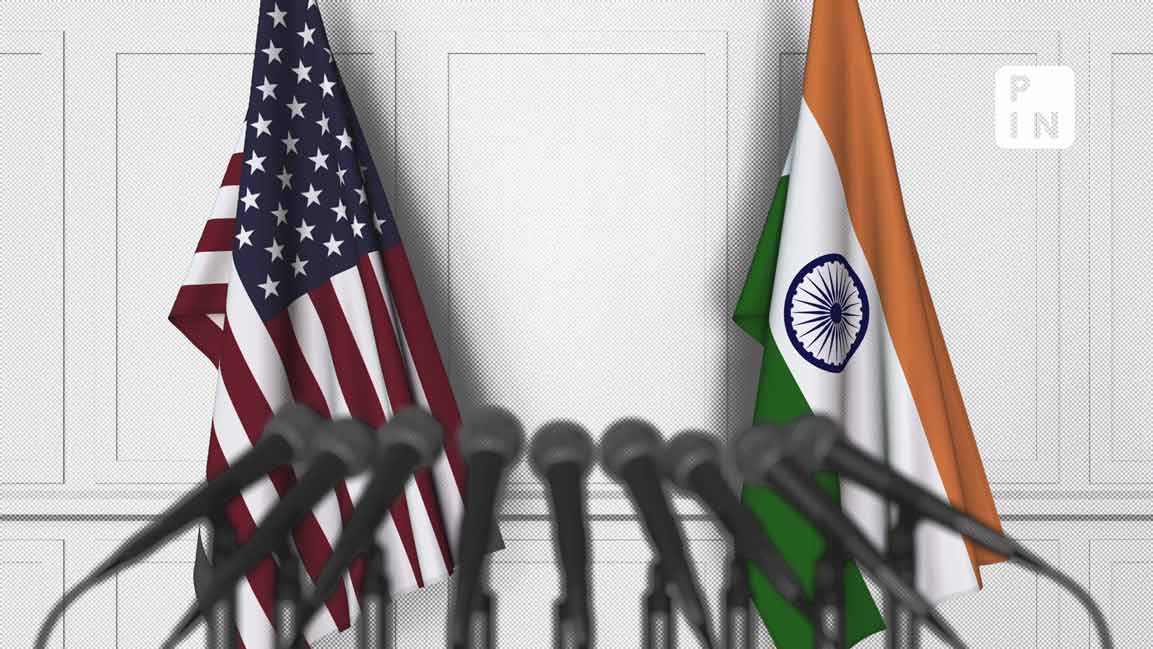
The US has opened a sweeping trade investigation into India and dozens of other major trading partners to assess whether their governments are doing enough to prevent goods produced with forced labor from entering the US market, the Office of the US Trade Representative (USTR) said.
The inquiry is being conducted under Section 301 of the Trade Act of 1974, a law that allows Washington to investigate foreign trade practices it considers unfair and impose retaliatory measures such as tariffs if those practices are found to burden US commerce.
“The United States will not tolerate the import of goods made with forced labor,” US Trade Representative Jamieson Greer said in announcing the investigation.
The probe will examine whether 60 of the United States’ largest trading partners have taken sufficient steps to prohibit the import or export of goods linked to forced labor.
If authorities conclude that governments have failed to enforce adequate safeguards, Washington could impose tariffs or other restrictions on imports connected to those practices.
The move places India alongside a wide group of trading economies under review and represents one of the broadest trade enforcement actions launched by Washington in recent years.
Section 301 has long been one of the most powerful unilateral tools available to the US government to challenge foreign trade practices. The law allows the USTR to gather submissions from companies and governments, conduct public hearings and determine whether retaliatory measures should be imposed.
The mechanism was widely used during the US trade conflict with China and remains a central instrument in Washington’s trade policy toolkit.
The forced-labor investigation comes as the US has intensified scrutiny of global supply chains, particularly in sectors where governments fear that labor abuses or weak enforcement standards could allow unfairly produced goods to enter international markets.
India and the US expanded cooperation in areas such as defense technology, semiconductors and Indo-Pacific security. At the same time, trade disagreements over tariffs, market access and regulatory policies have periodically complicated the relationship.
Section 301 investigations typically run for several months. During that time, the USTR collects written submissions from businesses and governments and may hold public hearings before deciding whether to impose tariffs, seek negotiated solutions or close the case without action.
For India and other economies included in the review, the investigation does not automatically mean new tariffs. However, it signals that Washington is stepping up oversight of how trading partners police labor standards within global supply chains.
More Top Stories: