- | 7:00 pm
What the US-China tariff truce means for India
With the tariff gap narrowing, companies that moved production to Vietnam, India, or Mexico could return to China, Srivastava said


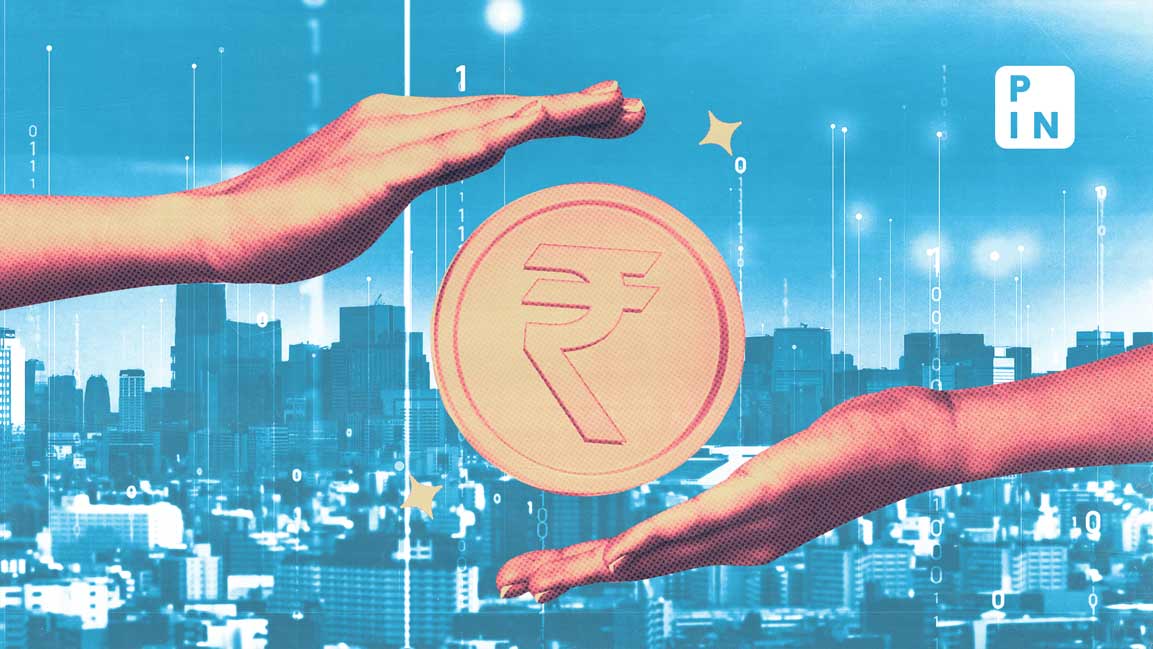
As the US and China announced a temporary pause on their escalating tariff war, experts remain divided on how the 90-day truce will affect India’s manufacturing and export landscape—especially in the mobile and electronics sectors.
From 14 May, Washington and Beijing will begin reducing tariffs on most goods.
The US will slash duties on Chinese imports from as high as 145% to 30%, while China will cut tariffs on US goods from 125% to 10%. However, core sectors such as steel, aluminium, and automobiles will remain under 25% tariffs for all US trading partners.
The temporary truce has, however, triggered uncertainty in India, which has benefitted from the ongoing US-China standoff. Over the past few years, several global companies turned towards India, Vietnam, and Mexico for their manufacturing operations to avoid steep duties and reduce dependence on China.
Ajay Srivastava, founder of the New Delhi-based Global Trade Research Initiative (GTRI), warned that the recent US-China deal could reverse the very diversification that the tariff war set in motion.
With the tariff gap narrowing, companies that moved production to Vietnam, India, or Mexico could return to China, Srivastava said. The ‘China Plus One’ strategy, which was gaining traction, may slowly fade, he added.
Suggesting that such a deal is a short-term fix for the US and China and not a long-term strategy, Srivastava observed that with the tariff rejig against Beijing, Washinton has neither fixed the core trade imbalance nor unveiled a clear path to rebuild US manufacturing.
Still, India enjoys a 20% tariff arbitrage advantage over China for exports to the US despite the pause, Srivastava noted. That edge could be short-lived, though.
However, the US has agreed to suspend reciprocal tariffs on India only until 9 July. If Washing and New Delhi do not reach a permanent deal by then, Indian exports may be hit with tariffs as high as 26%, severely impacting competitiveness.
Despite the uncertainty, industry insiders remain cautiously optimistic about the outlook for India’s electronics sector.
Pankaj Mohindroo, hairman of the India Cellular and Electronics Association (ICEA), noted that smartphones, laptops, and tablets have been excluded from the new round of reciprocal tariffs. As a result, any immediate disruption to India’s manufacturing ecosystem is unlikely.
Exports of smartphones and laptops from India to the US currently attract zero duty, while Chinese exports in these categories face a 20% tariff, Mohindroo told The Economic Times.
He also noted that global electronics companies are still wary of overdependence on China.
Mohindroo noted that margins in electronics manufacturing are typically around 5% for most companies, except for giants like Apple, and even with tariff reductions, a 130% differential is still massive.
The short-term tariff relief is expected to ease pressure on global supply chains, which have been strained since 2018, after Trump—during his first term—initiated a tariff was against China.
The US president’s initial promise was to fix the trade deficit, bring back manufacturing, and limit China’s industrial dominance.
“None of that happened. Instead, tariffs hurt American businesses, raised consumer prices, and disrupted global supply chains,” Srivastava said.
More Top Stories: