
- | 8:30 am
Dolly Parton made country music sparkle without hiding its pain
The singer-songwriter behind “Jolene,” “9 to 5” and “I Will Always Love You” built a career that reached far beyond country music
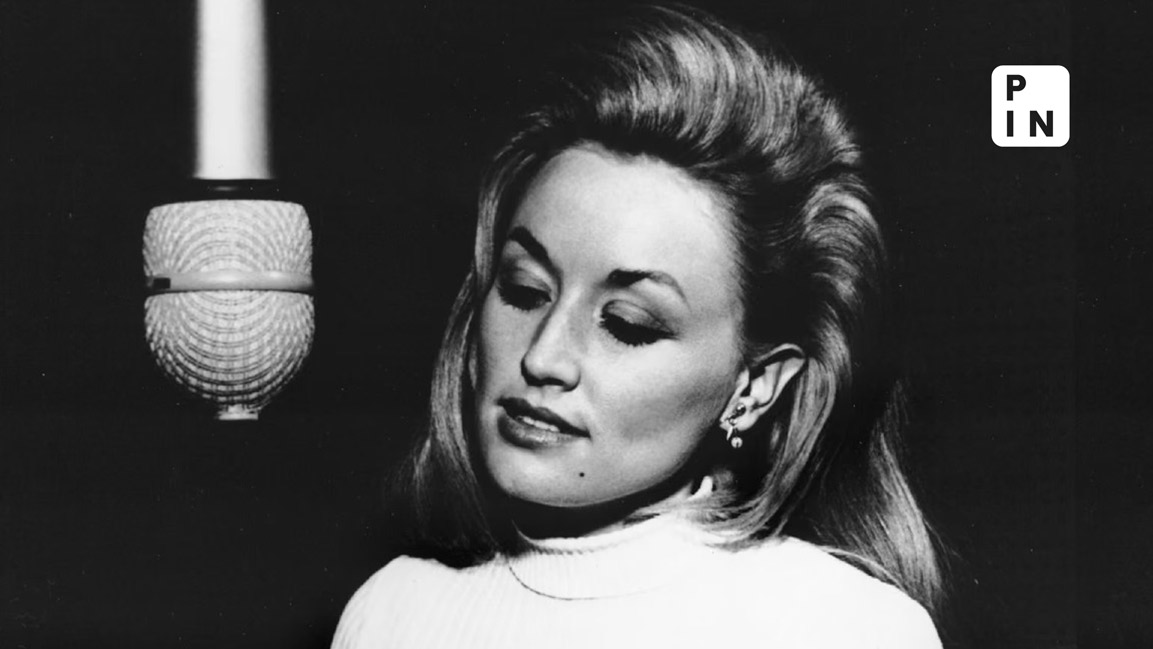


Dolly Parton, the singer-songwriter who rose from poverty in rural Tennessee to become one of country music’s most recognizable figures, has died. She was 80.
Parton died peacefully in Nashville on Tuesday, 25 August, according to an announcement on her official website. Her representatives later said she had faced a brief battle with cancer. The type of cancer was not disclosed.
Her family plans to hold a small private service and has asked those wishing to honor her to donate to Dolly Parton’s Imagination Library.
Parton’s songs turned the circumstances of her childhood, the choices confronting working women and the complications of love into stories understood far beyond the American South. Coat of Many Colors, Jolene, 9 to 5, and I Will Always Love You became country standards, while her voice, humor and highly constructed public image made her a global celebrity.
She sold more than 100 million records worldwide, recorded 25 No. 1 songs on Billboard’s country chart and won 10 competitive Grammy Awards. The Recording Academy also presented her with a Lifetime Achievement Award.
But Parton regarded songwriting, rather than celebrity, as the heart of her work.
“At the end of the day, I hope that I will be remembered as a good songwriter,” she once wrote. “The songs are my legacy.”
From Tennessee to Nashville
Dolly Rebecca Parton was born on 19 January 1946 in Sevier County, Tennessee, the fourth of 12 children. The family lived in a small home in the Smoky Mountains, and the poverty and music of her childhood would shape much of her later work.
Her mother sang traditional ballads, while an uncle, Bill Owens, recognized Parton’s ability and helped her pursue music. She began performing on local radio and television at 10 and appeared at the Grand Ole Opry at 13.
After graduating from high school in 1964, she moved to Nashville. She signed with Monument Records the following year and released her first album, Hello, I’m Dolly, in 1967.
That year, she joined The Porter Wagoner Show, beginning a partnership that made her a national figure. Parton and Wagoner recorded a dozen studio albums together and produced a succession of country hits.
Her departure from the show in 1974 inspired I Will Always Love You. Parton’s recording topped the country chart twice, in 1974 and 1982. Whitney Houston’s version for the 1992 film The Bodyguard spent 14 weeks at No. 1 on Billboard’s main US singles chart and introduced the song to another generation.
Jolene, released in the same period, became one of the most widely covered songs in popular music. Its endurance rested on the simplicity of its appeal, a woman asking a rival not to take the man she loves, and on Parton’s refusal to disguise vulnerability as weakness.
A career beyond country music
By the late 1970s, Parton had crossed into pop music with songs including Here You Come Again. In 1980, she made her film debut alongside Jane Fonda and Lily Tomlin in 9 to 5, a comedy about women confronting an abusive employer.
Parton wrote and performed the title song, which topped Billboard’s pop, country and adult contemporary charts and became an anthem for working women. It also earned her the first of two Academy Award nominations for songwriting.
She later appeared in films including The Best Little Whorehouse in Texas, Steel Magnolias, Rhinestone and Straight Talk. Her second Oscar nomination came for Travelin’ Thru, written for the 2005 film Transamerica.
Parton also proved an astute businesswoman. In 1986, she became a partner in the Tennessee theme park that was renamed Dollywood. The park and its associated businesses now attract more than 4 million visitors annually, according to her official biography, and have become an important source of employment in East Tennessee.
She extended her name into hotels, dinner theaters, food, publishing, clothing and other consumer businesses without allowing those ventures to displace her music. In 2023, after her induction into the Rock and Roll Hall of Fame, she released Rockstar, an album that became the strongest chart debut of her career.
Parton was inducted into the Country Music Hall of Fame in 1999, received a Kennedy Center Honor in 2006 and joined the Rock and Roll Hall of Fame in 2022.
A legacy built on books
Parton’s philanthropy became almost as closely associated with her name as her music.
She established the Dollywood Foundation in 1988 to support education in her home region. In 1995, she created the Imagination Library after reflecting on her father’s inability to read and write.
The program sends free books to children from birth until the age of five, regardless of family income. It expanded from Sevier County to communities across the US, Canada, Britain, Ireland and Australia and has distributed more than 300 million books, according to the Imagination Library.
Parton also funded scholarships, hospitals and disaster relief. After wildfires devastated parts of Sevier County in 2016, she helped provide monthly payments to affected families. In 2020, she donated $1 million to Vanderbilt University Medical Center for coronavirus research, some of which supported work connected to Moderna’s Covid-19 vaccine.
Her husband, Carl Dean, whom she met on her first day in Nashville and married in 1966, died in March 2025. Their marriage lasted nearly 59 years, largely outside public view.
Parton continued working into her final year. Dolly: A True Original Musical, based on her life and featuring music and a book she helped write, is scheduled to open on Broadway in December.
“Dolly Parton’s legacy is not celebrity, but humanity,” Kyle Young, chief executive of the Country Music Hall of Fame and Museum, said in a tribute.
More Top Stories: